Cloud App Development – How to Build Applications That Are Cloud-Native From Day One

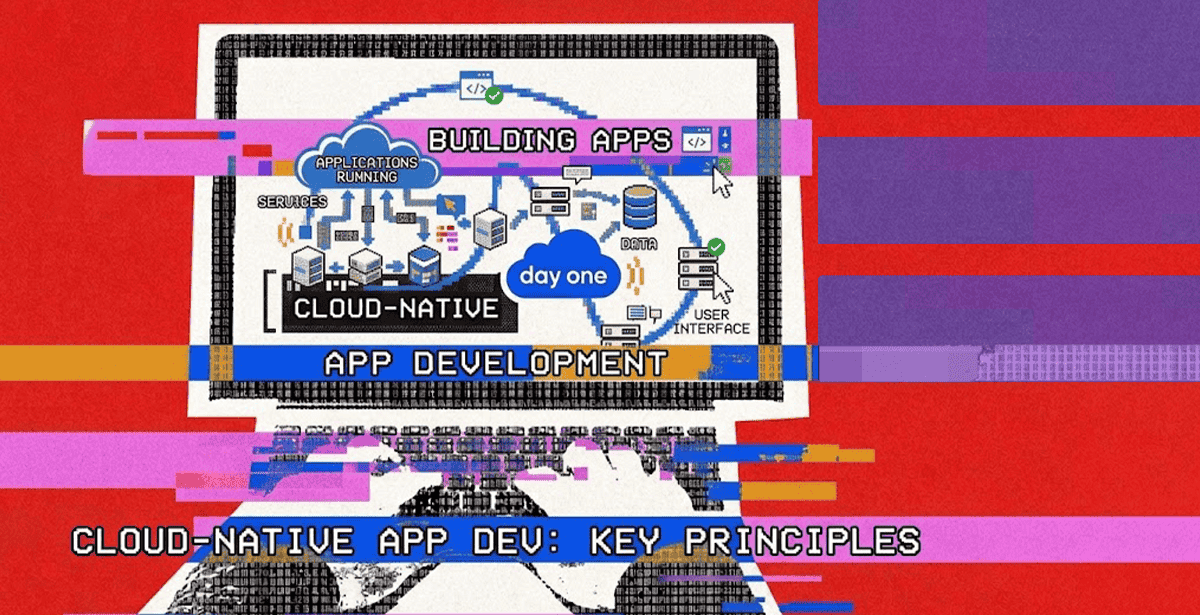
Most teams bolt cloud-native practices onto an app after it’s already struggling. Retrofitting containers and a pipeline onto a monolith is possible. It’s also far more expensive than doing cloud app development right the first time.
Cloud app development done from day one starts with a different assumption. Every early decision has to assume the app will scale, fail, and redeploy constantly. That mindset shift changes how you structure code, not just where you host it.
This guide covers what actually matters before cloud app development begins in earnest. Get the architecture, containers, and pipeline right early, and everything downstream gets easier.
Cloud Native Application Development: What “Day One” Actually Means
Cloud native application development treats infrastructure as disposable from the start. Any instance can die and get replaced without anyone noticing. State lives outside the app process, not inside it.
The Cloud Native Computing Foundation defines cloud-native as building scalable applications using containers, service meshes, and declarative APIs. That’s the bar real cloud app development has to clear. It isn’t a marketing label.
Skipping this bar tends to work fine in a demo. It breaks the first time real traffic shows up in production.
Why Cloud App Development Needs Cloud Native Consulting Early
Cloud native consulting earns its cost in the first few weeks of a project, not the last. An outside team that has shipped cloud app development before can spot the architecture decisions that are expensive to reverse.
Bringing in cloud native consulting after the app already exists is a harder job. It usually means untangling choices nobody documented. Getting cloud app development right upfront costs far less than fixing it after launch.
Application Development for Cloud: Architecture Decisions That Matter
Application development for cloud environments hinges on a few early decisions: service boundaries, state management, and configuration. Get these wrong, and every later feature costs more to ship.
Container Orchestration from the First Deploy
Container orchestration earns its complexity once you’re managing more than a couple of services. Kubernetes or a lighter distribution like RKE2 handles scheduling and rolling updates. Your team doesn’t have to script that by hand.
Set up orchestration before real traffic arrives. Retrofitting it mid-project, after an outage forces the issue, costs far more than building it in from day one.
Make Kubernetes Architecture a strategic decision. For serious enterprise AI workloads, your Kubernetes architecture can influence security, scalability, operational overhead, and deployment complexity. Evaluate options such as RKE2 and Vanilla Kubernetes based on compliance requirements, cluster management capabilities, security posture, and the expertise your team has available to operate them at scale.
Building the CI/CD Pipeline Alongside Cloud App Development
A pipeline isn’t an afterthought bolted onto finished work. It’s what turns a cloud-native architecture diagram into something a team can actually ship daily.
Wire up automated tests and deployment gates in the first sprint, not the fifth. Teams that wait usually deploy by hand for months. Then they rush the pipeline work under pressure.
Cloud Modernization vs Building Cloud-Native from Day One
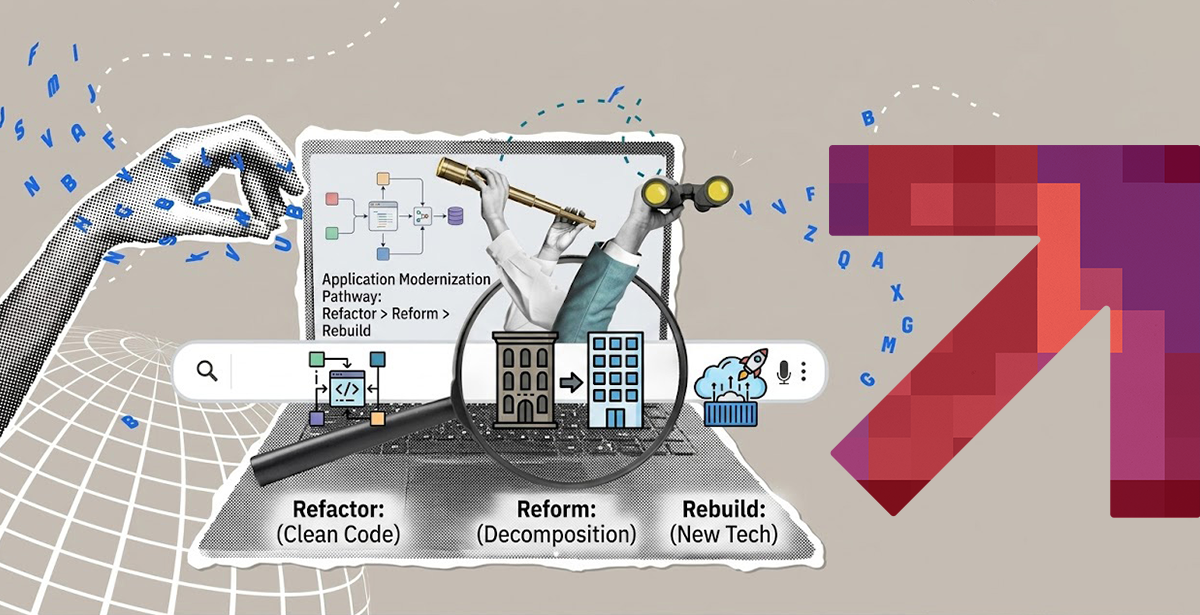
Cloud modernization and greenfield cloud app development solve different problems. Modernization untangles an existing system’s technical debt. Day-one cloud app development avoids creating that debt in the first place.
Both paths converge on the same target eventually. Whether you start from cloud modernization or a blank repository, the destination looks the same. That’s stateless services, automated pipelines, and orchestrated containers.
Case Study: Cloud App Development at nGAGE
DPL architected nGAGE, an employee engagement SaaS platform, as fully serverless from the start. The build used AWS Lambda, API Gateway, and DynamoDB with row-level tenant isolation, plus automated provisioning through Step Functions.
This project never carried monolith baggage to strip out later. New tenant onboarding dropped to under 5 minutes, down from 2 days. Infrastructure costs fell 68%, and the platform auto-scales to zero or to unlimited demand.
That same discipline carried over to CarPal. DPL built this roadside assistance platform on Google Kubernetes Engine for 15-plus countries. Designing for burst traffic from day one let it absorb 10x traffic spikes during emergencies, with no redesign needed.
How DPL’s Cloud Engineering Services Approach Cloud App Development
DPL’s cloud engineering services team treats cloud app development as one discipline spanning architecture, containers, and delivery. That’s what keeps a project from stalling between handoffs.
Cloud engineering services also cover the parts that get skipped under deadline pressure. Monitoring, secrets management, and disaster recovery testing all belong in that list.
Frequently Asked Questions
Do I need microservices to be cloud-native?
No. A single service can be cloud-native if it’s stateless, containerized, and deployed through an automated pipeline. Cloud app development doesn’t require microservices on day one.
What’s the biggest mistake teams make in cloud app development?
Treating the pipeline and observability as later work. Both are cheaper to build alongside the app than to retrofit after launch.
How much does cloud app development done right actually save?
It depends on the system. DPL’s own work has seen infrastructure cost cuts of 35 to 68%. Deployment times have dropped from hours to under a minute.
Where to Start With Cloud App Development
Don’t try to make every architectural decision perfect before writing code. Pick the handful that are expensive to reverse: statelessness, config management, and the delivery pipeline.
DPL’s cloud engineering services team has handled cloud app development on AWS, GCP, and Azure. Clients range from government agencies to consumer SaaS startups. A conversation early, before the first architecture diagram is finalized, is usually the cheapest hour you’ll spend on the whole project.