
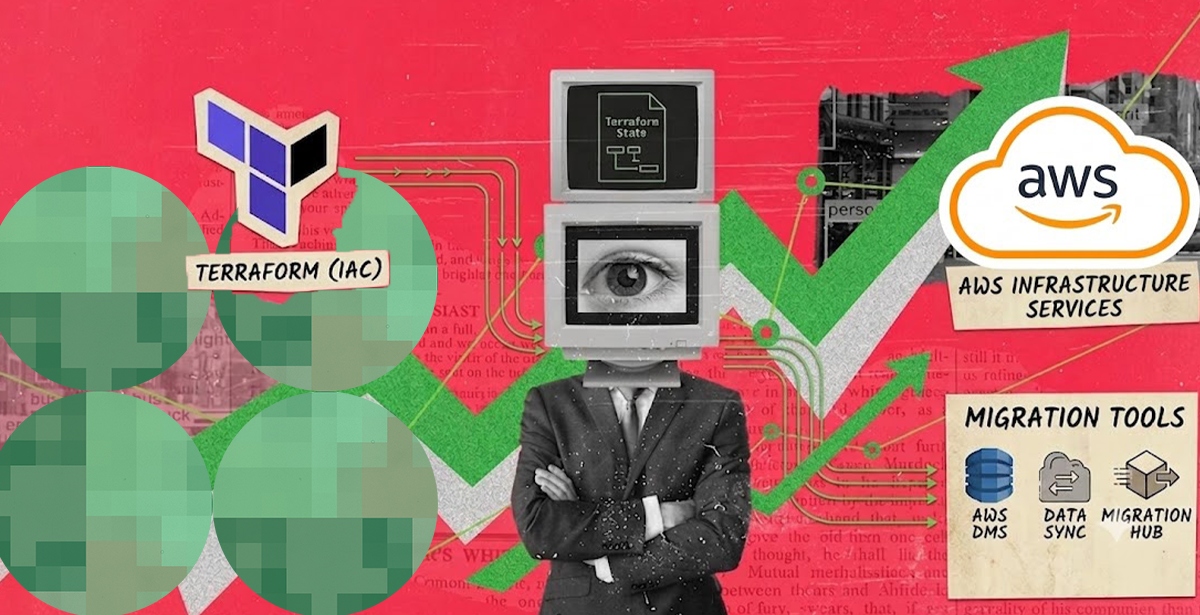
infrastructure to the cloud. Modern migration initiatives require repeatability, governance, security, and minimal disruption to business operations. As environments grow more complex, manual migration approaches introduce unnecessary risk, configuration drift, Read More…
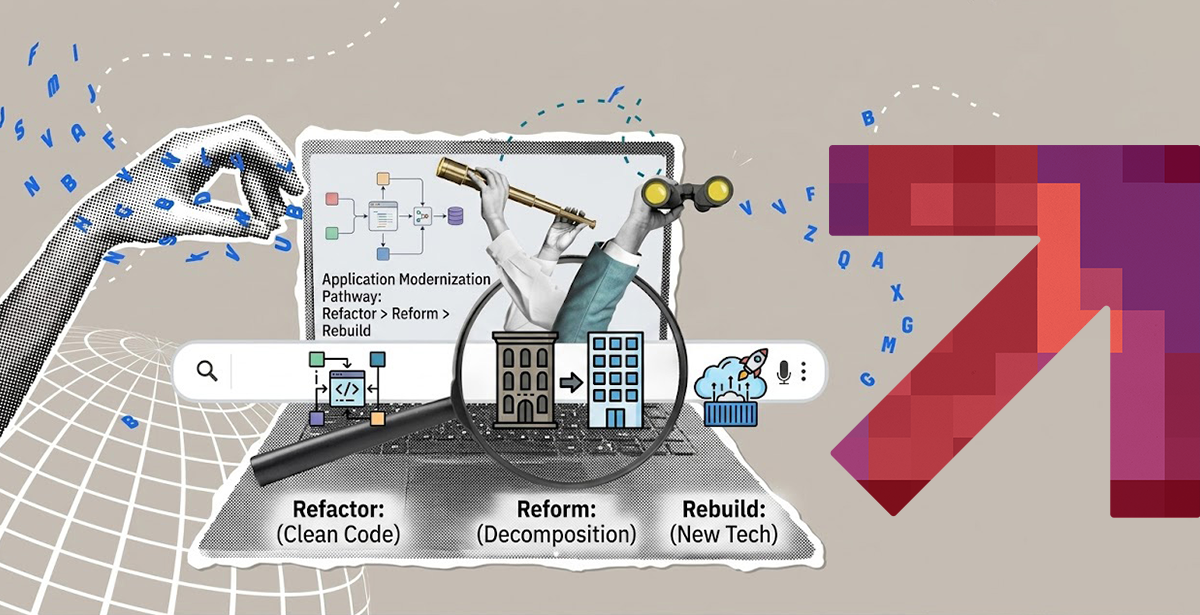
Not every legacy system deserves the same treatment. Some need surgery. Some need a new home. Some need to be rebuilt from the ground up. The decision to refactor, replatform, Read More…
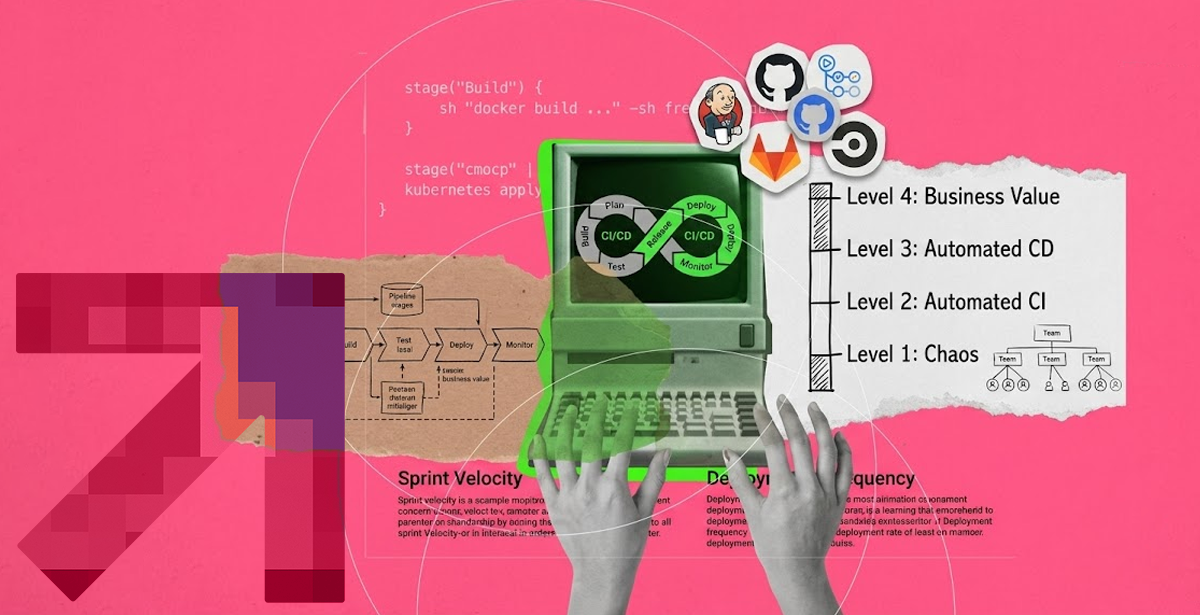
Most engineering leaders know DevOps matters. Fewer know what a professional DevOps consulting services engagement should include, or why those gaps are costing them release velocity. Slow deployments are rarely Read More…
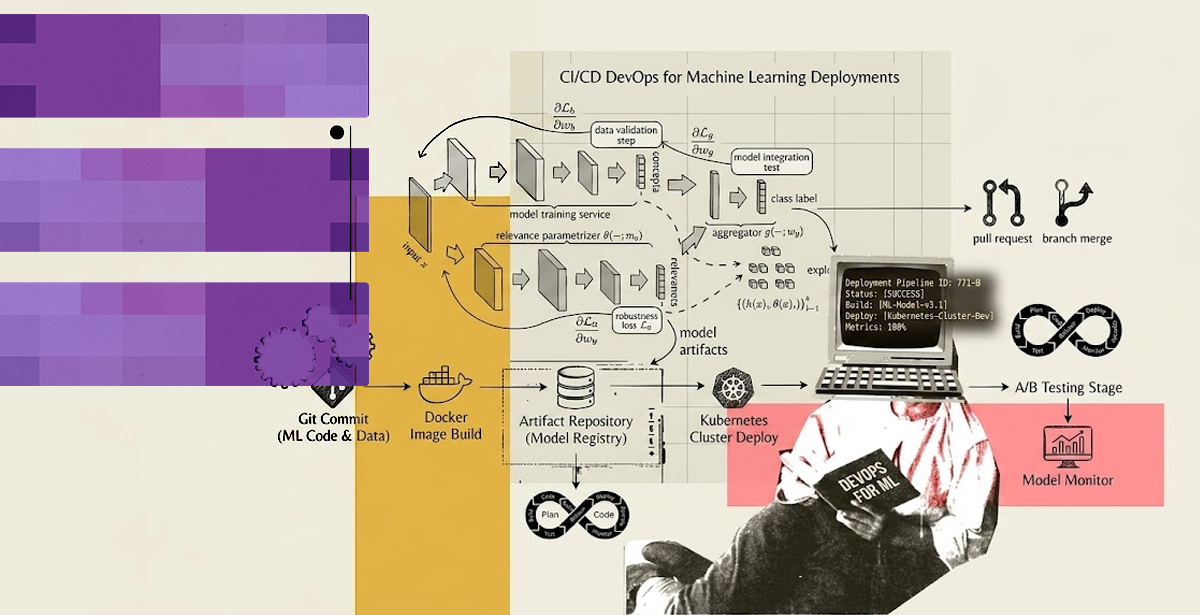
Approximately, 87% of machine learning (ML) projects never reach production. Models get built, validated in notebooks, and then stall. The gap between a data scientist’s laptop and a live system Read More…

Most teams pick a CI/CD tool based on what’s trending, what a senior engineer used at their last job, or what a vendor demo made look easy. But that’s how Read More…

Most engineering leaders underestimate the true cost of running DevOps in-house. They account for salaries, but miss everything else: the on-call rotations, the tool licensing sprawl, and the institutional knowledge Read More…

Running Kubernetes and running Kubernetes reliably are two different disciplines. The gap shows up the first time a control plane node goes down, an etcd quorum breaks, or a misconfigured Read More…
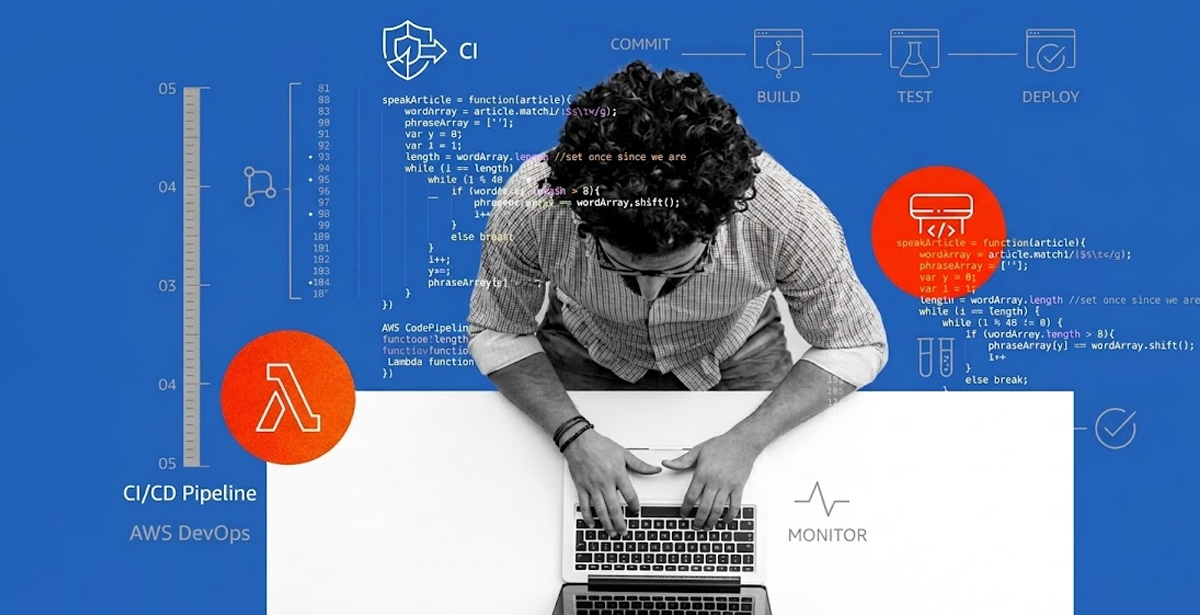
Most engineering teams struggle with effectively using AWS. Pipelines duct-taped together. Infrastructure provisioned by hand. Deployments that still require a developer to stand by and watch. This is what AWS Read More…

The cloud consulting market is crowded. Every firm has a transformation framework, a maturity model, and a set of case studies written in the passive voice. The problem isn’t finding Read More…
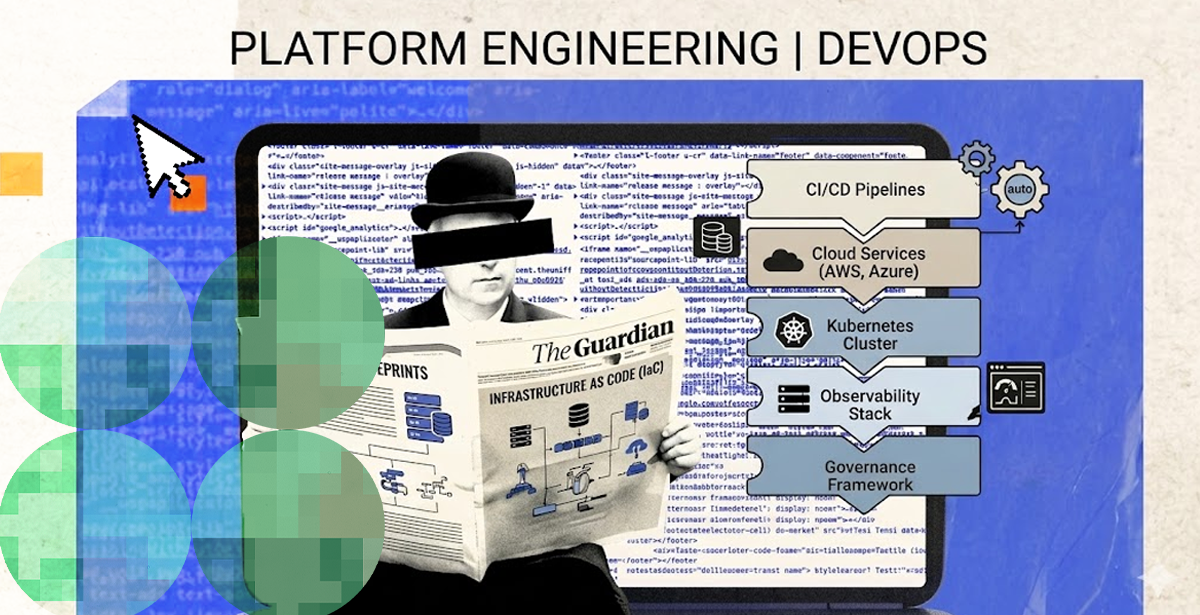
DevOps has been the backbone of modern software delivery for over a decade. It brought development and operations closer together, automated deployments, and helped teams ship faster with fewer failures. Read More…