IoT Integration – Connecting Devices, Data, and Enterprise Applications

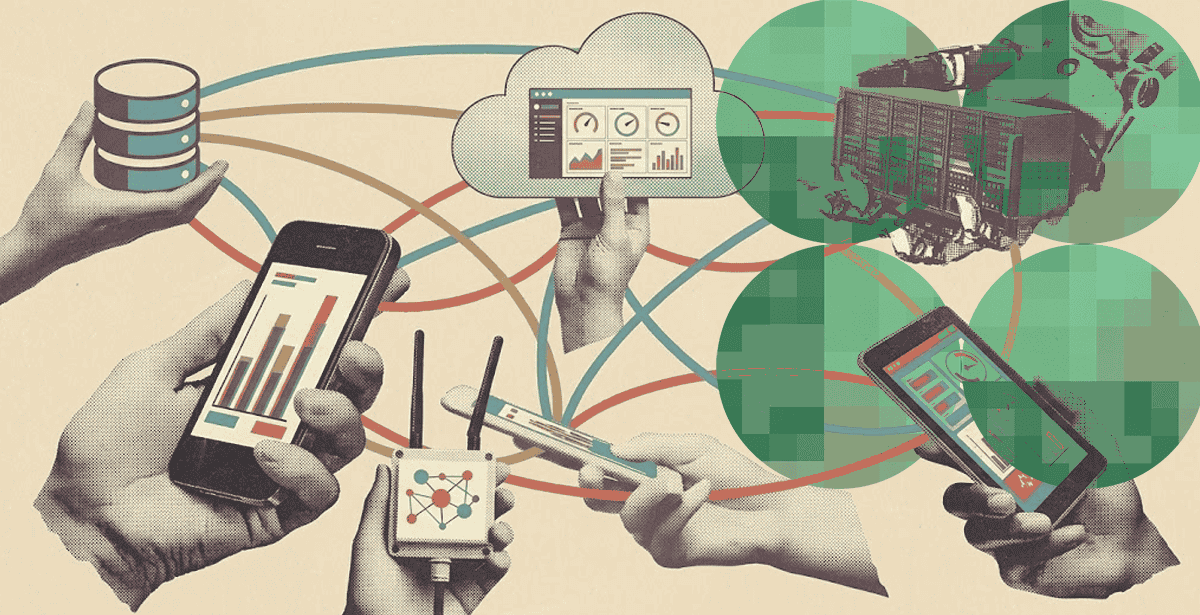
A sensor that reports data to nobody is just an expensive thermometer. The real value of IoT integration shows up only once device data reaches systems your business already runs on.
That means your ERP, your CRM, your billing platform, and your operations dashboards. Getting there requires more moving pieces than most teams expect going in.
This post breaks down how IoT integration actually works in practice. We will walk through the platform, middleware, and gateway layers that make it happen. We will also cover what a real implementation looks like, step by step.
What an IoT Platform Actually Does
An IoT platform is the software layer that manages devices and collects their data. It also makes that data usable elsewhere in the business.
Most platforms bundle a few core jobs together. Device management, data ingestion, and basic visualization typically live in one place. Without this layer, every device integration becomes a one-off engineering project with no reusable foundation.
A good IoT platform does not try to be everything, though. It should hand off compute-heavy processing and business logic to the systems built for that purpose. Trying to force everything into the platform layer usually backfires once you scale past a pilot.
The Role of IoT Middleware in Connecting Devices and Systems
IoT middleware sits between raw device data and the applications that need to act on it. It translates, filters, and routes messages between the two.
Downstream systems never have to speak the device’s native protocol directly this way. That separation is what keeps the whole architecture maintainable as device types multiply.
Why Middleware Exists Between Devices and Applications
Devices speak in bytes, sensor codes, and proprietary formats. Your ERP system speaks in structured business records instead. IoT middleware exists to close that gap without forcing either side to change.
Without middleware, every new device model requires custom integration code somewhere downstream. That does not scale past a handful of device types. Middleware absorbs that translation work in one place, instead of scattering it everywhere.
This is exactly why generic, off-the-shelf integration rarely holds up for long. DPL has made the case before for bespoke software built specifically for IoT products. Middleware is often where that customization matters most.
How an IoT Gateway Bridges Hardware and the Cloud
An IoT gateway is the physical or virtual checkpoint between local devices and the cloud. It is often the first place raw sensor data gets touched by any software logic at all.
Protocol Translation at the Edge
Devices in the field rarely all speak the same protocol. A single deployment might mix MQTT, Bluetooth, and proprietary radio protocols side by side.
A recent Eclipse Foundation developer survey found MQTT adoption at 56%, up sharply from the year before. That same survey found connectivity to be developers’ top challenge, cited by 48% of respondents.
An IoT gateway absorbs that protocol chaos before it reaches your cloud platform. Without one, that complexity spreads into every downstream system instead.
Where Gateways Handle Local Processing
Not every decision needs a round trip to the cloud. A gateway can filter noisy sensor readings or aggregate data locally. It can also trigger an immediate local action if connectivity drops.
This matters most in facilities with unreliable network access. DPL’s firmware development work often lives right at this boundary. Local processing decisions get made there before data ever leaves the building.
Choosing the Right IoT Cloud Platform for Your Stack
Once data clears the gateway, it needs a home. An IoT cloud platform is where device data gets stored and processed at scale. From there, it becomes available to the rest of your business systems.
Message Brokers, Rules Engines, and Device Shadows
Most mature IoT cloud platforms share a similar architecture. AWS IoT Core’s own documentation describes a device gateway, a message broker, a rules engine, and device shadows. Each piece handles one clear job.
The message broker handles publish-and-subscribe messaging between devices and applications. The rules engine filters and routes that data to the right backend service. Device shadows track state for devices that connect only intermittently.
Picking a cloud platform is not just a technical decision, either. It shapes how easily your team can later connect that data to ERP systems and business intelligence tools. It also affects how fast you can build custom dashboards and interfaces your team actually uses daily.
AWS, Azure, and Google Cloud all offer credible IoT cloud platform options today. The right pick usually comes down to where your other enterprise systems already live.
Feature checklists matter less than that existing footprint does. Migrating a live device fleet between clouds later is expensive and disruptive. This decision deserves real scrutiny upfront, before a single device ships.
What a Real IoT Implementation Looks Like Step by Step
A successful IoT implementation rarely starts with buying hardware. It starts with mapping exactly which enterprise systems need device data, and why they need it.
From there, most implementations follow a similar path. Teams select connectivity protocols and choose or build a gateway. Only after that do they wire up the cloud platform and build the middleware connecting everything together.
Connecting to Existing Enterprise Systems
This final step is where many IoT implementation projects quietly stall. An ERP system was never designed to receive a stream of raw sensor events.
Someone has to build the translation layer that makes device data land as clean, structured records instead. IoT Analytics’ enterprise research points to this exact gap. Real value now depends on coordinating actions across operational technology and IT systems together.
That coordination layer is precisely what enterprise integration work has to deliver. DPL’s own primer on what IoT development actually involves covers this full journey in more depth. It walks through the path from device to dashboard.
Our cloud and DevOps team typically joins at this stage too. Enterprise integration work leans heavily on solid cloud infrastructure underneath it.
Common Integration Pitfalls
A few mistakes show up again and again in these projects. Watch for these early, before they become expensive to fix later.
Treating the gateway as an afterthought is one common mistake. Teams often design the cloud platform first. Then they discover the gateway cannot handle the protocols their hardware actually uses.
Skipping middleware entirely is another common mistake. Some teams try to connect devices straight to the ERP system. That approach works briefly, then breaks the moment a new device model gets added.
Underestimating the enterprise system side is a third mistake. IT teams that own the ERP or CRM often were not part of early IoT planning. Bringing them in late causes rework that a short early conversation would have avoided entirely.
Treating security as an afterthought rounds out the list. Every new integration point, from gateway to middleware to enterprise system, is a potential attack surface. Each one needs its own authentication and monitoring, not a single perimeter check.
💡Security should be part of the architecture, not an afterthought. Securing IoT is critical because every connected device can become a potential entry point into a broader network. As the average data breach cost reached $4.88 million globally in 2024, the financial impact of weak security controls can’t be ignored. Strong device authentication, encrypted communications, secure firmware updates, and continuous monitoring help reduce risk before vulnerabilities become incidents.
The Bottom Line
IoT integration is not one product you buy off a shelf. It is a stack of decisions across the platform, middleware, and gateway layers. Each layer shapes what the next one can actually do.
Getting device data into your enterprise systems cleanly is the real goal here. Everything else, from protocol choice to cloud vendor, exists in service of that outcome.
DPL has built IoT development services around exactly this kind of end-to-end integration. Our work spans firmware through enterprise system connections, backed by a portfolio of shipped IoT projects across multiple industries.
Talk to us about your device fleet. Tell us which systems you need it to talk to. We will map out how the pieces fit together from there.

Topics
Related Articles
-
The Most Common IoT Security Risks — and the Architecture Decisions That Eliminate Them
28-Aug-2026 Waleed Riaz
-
IoT Services Company – What a Real IoT Partner Actually Delivers
25-Aug-2026 Bilal Sattar
-
How to Vet an IoT Development Company Before Betting Your Product on Them
20-Aug-2026 Bilal Sattar