
How Smart Home Technology Has Evolved — and What’s Coming Next in Connected Living

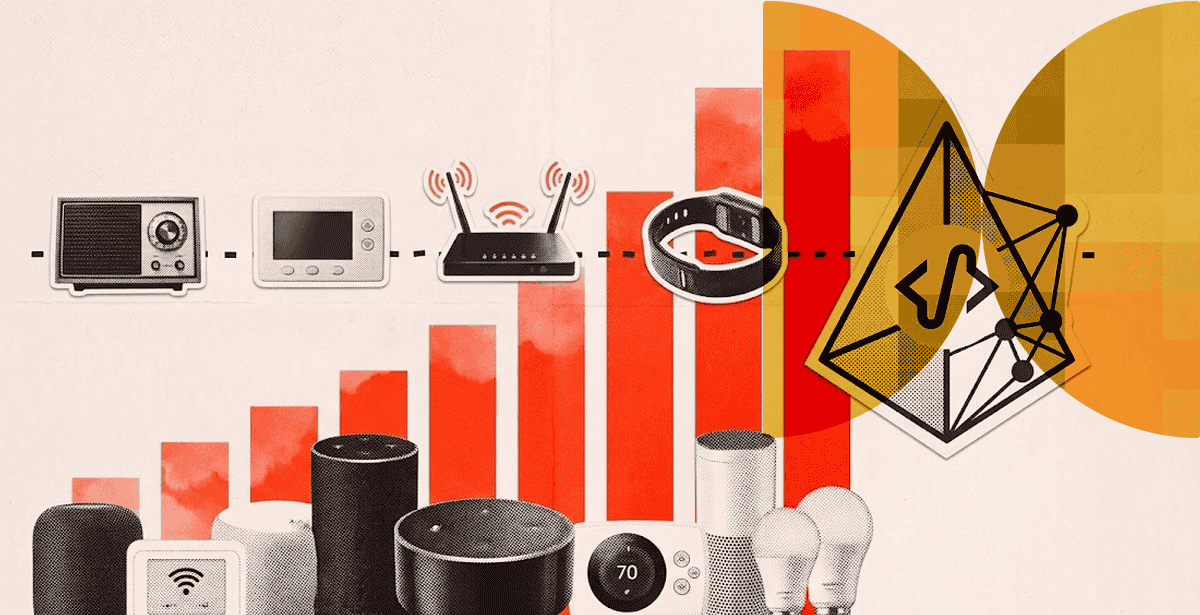
A decade ago, a “smart” home meant one gadget: a thermostat you could check from your phone. Smart home technology has moved far past that single-device era into something genuinely interconnected.
Locks, lights, thermostats, and sensors now share data and act together, not as isolated gadgets anymore.
Smart Home Solutions: From Single Gadgets to Connected Ecosystems
Smart home solutions started as standalone products, each with its own app and no awareness of anything else.
The Shift from Standalone to Interoperable
Early adopters ended up with five apps for five devices, none of which talked to each other.
That fragmentation frustrated users badly. A “smart” home that required five separate logins did not feel smart at all.
The industry gradually shifted toward hubs and shared protocols, letting devices from different brands work as one system.
💡 Protocol choice can determine how well a smart home ecosystem scales. When evaluating Zigbee vs Z-Wave, consider device compatibility, network topology, range, power consumption, and the types of devices you plan to connect. Smart Home IoT Development should account for these factors early so new devices can integrate into the ecosystem without recreating the fragmentation that early smart homes struggled with.
Despite the numerous protocol options, the interoperability problem stayed alive. This taught the industry a real lesson: consumers do not want to research protocols before buying a bulb. They want a device that works, regardless of which brand’s hub happens to be sitting in the closet.
Vendors who understood that shift started designing for compatibility first, treating a single protocol choice as a liability.
That shift benefited buyers directly. Fewer stranded devices meant fewer regretted purchases sitting unused in a drawer.
It also pushed platform builders to design for scale from the outset, rather than bolting interoperability on afterward.
That upfront design discipline shows up later. It matters most in deployments that grow far beyond a small pilot.
Case Study: Managing 200,000-Plus Connected Devices at Scale
DPL’s smart community platform for iApartments connects more than 200,000 IoT devices across residential properties nationwide.
Locks, lights, and thermostats all report through a single AWS IoT Core platform, not five separate systems.
Property managers get real-time visibility across every unit, at a cost under one dollar per device monthly.
That scale only works because the underlying architecture treats every device as part of one connected system.
Building that kind of system from day one avoids the fragmented, five-app problem entirely for every resident.
Smart Home Automation: What Actually Runs Without a Person Involved
Smart home automation means devices acting on rules and triggers, not just responding to a manual command.
Rules, Routines, and Triggers
A routine might dim the lights, lower the thermostat, and lock the doors the moment everyone leaves.
That kind of automation removes dozens of small manual actions from a person’s daily routine entirely.
Triggers can be time-based, location-based, or based on another device’s state changing somewhere in the home.
Where Automation Still Needs a Human Check
Full automation sounds appealing, but some decisions still benefit from a person confirming before anything happens.
A door unlocking automatically for a delivery, for instance, deserves a confirmation step, not silent full autonomy.
Well-designed systems build in that judgment layer instead of automating every possible action without exception.
Connected Home: Why Matter Changed the Conversation
Connected home setups struggled for years with a basic problem: devices from different brands rarely worked together.
The Interoperability Problem Before Matter
Before a shared standard existed, buying a device meant checking if it worked with your specific ecosystem first.
That friction pushed many buyers to stick with one brand entirely, limiting choice and often raising cost.
Manufacturers had little incentive to support competitors’ hubs, which kept the fragmentation problem alive for years.
What Matter Actually Solves
The Matter smart home standard, backed by the Connectivity Standards Alliance, lets certified devices work across ecosystems regardless of brand.
That shared standard means a lock, a bulb, and a sensor from three different brands can finally work together.
Adoption has been gradual, but the direction is clear: interoperability is now the expectation, not a nice extra.
Manufacturers that resisted Matter certification early are increasingly finding customers expect it as a baseline requirement now.
That expectation shift changes purchasing decisions. Buyers increasingly filter for Matter compatibility before comparing anything else about a device.
Retailers have noticed too, adding Matter compatibility badges prominently on product listings and in-store shelf tags.
That visibility helps buyers avoid a device that only half-works with the rest of their existing setup.
A half-working device is often worse than no device at all, since it creates ongoing troubleshooting hassle nobody wants.
That hassle tends to fall on whoever set the system up in the first place, usually months after the purchase.
Smart Home Systems: The Tradeoff Nobody Talks About Enough
Smart home systems introduce a tradeoff few people talk about: more convenience, more attack surface.
More Devices, More Attack Surface
Every connected device is a potential entry point if it ships with weak defaults or outdated firmware.
A compromised smart lock is a far more serious problem than a compromised smart light bulb.
That risk difference means security effort should scale with what a device actually controls, not treat everything equally.
Manufacturers increasingly recognize this distinction, applying stricter default security to locks and cameras than to bulbs.
That risk-based approach makes far more sense than treating every connected device with identical security requirements.
Building Security In From the Start
Certificate-based authentication, encrypted communication, and regular firmware updates all reduce that expanded attack surface meaningfully.
Retrofitting security onto an already-deployed smart home system costs considerably more than designing it in from the start.
Homeowners rarely think about firmware updates the way they think about phone updates. That gap is worth closing.
💡 Security needs to follow the device throughout its lifecycle. Securing IoT means protecting devices from provisioning and authentication through communication, firmware updates, monitoring, and eventual decommissioning. Building these controls into the architecture from the start is far more effective than trying to secure thousands of deployed devices after vulnerabilities emerge.
Home Automation: What’s Coming Next in Connected Living
Home automation is shifting from reactive convenience toward systems that anticipate needs before being asked.
Energy-Aware Automation
Systems increasingly factor in energy pricing and grid demand, shifting usage to cheaper, lower-demand periods automatically.
That shift benefits both the homeowner’s bill and the broader grid during periods of peak demand.
Predictive, Not Just Reactive, Systems
Machine learning models are starting to predict routines instead of waiting for a manually programmed trigger.
A system that notices a pattern can suggest, or even quietly enact, an automation nobody explicitly set up.
That shift moves smart homes from “smart if you configure it” toward genuinely adaptive, low-effort living.
Parks Associates’ smart home market research projects continued strong growth in smart home device sales through 2027.
That growth reflects rising consumer comfort with connected living, not just falling device prices alone.
Comfort matters here. Early adopters tolerated clunky setup; mainstream buyers expect something that works out of the box.
That expectation is pushing manufacturers to invest more in setup experience, not just the underlying hardware capability.
A device that takes twenty minutes to configure loses mainstream buyers, regardless of how capable it is afterward.
Setup friction is often the real reason a promising product underperforms, not any flaw in its core capability.
Manufacturers who invest in a smooth first-run experience tend to see far fewer returns and negative reviews online.
That investment pays off quietly, in retention and word of mouth rather than any single headline feature.
Word of mouth still drives a meaningful share of smart home purchases, even in a heavily reviewed category.
Choosing Smart Home Technology That Will Still Work in Five Years
Choosing smart home technology today means favoring open standards over proprietary ecosystems that could disappear tomorrow.
Matter compatibility, regular firmware support, and a manufacturer with a real security track record all matter more than flashy features.
A device that looks impressive today but loses support in two years is not actually a good long-term choice.
Frequently Asked Questions About Connected Living
Is this technology worth the cost for a typical household?
For most households, yes. Energy savings and convenience typically offset the upfront cost within a few years.
Does Matter mean all smart home devices now work together?
Mostly. Matter-certified devices interoperate well, though older, non-certified devices may still need a bridge or hub.
How much of a security risk are smart home devices really?
It depends on the device. Locks and cameras carry more risk than bulbs, so prioritize security accordingly.
Where Connected Living Goes From Here
Smart home technology has evolved from isolated gadgets into genuinely connected, increasingly predictive ecosystems.
That evolution is far from finished. Interoperability, security, and energy-aware automation will keep reshaping what a smart home means.
Choosing devices built on open standards today is what keeps a smart home relevant five years from now.
If you’re building a connected product or platform, DPL’s IoT development team can help. We’ve built smart home systems at real scale. So, let us know how we can help via the form below.

Topics
Related Articles
-

The Top IoT Security Challenges — and How Engineering Teams Are Solving Them in Production
08-Sep-2026 Waleed Riaz
-
How Smart Energy Management Systems Reduce Building Energy Costs by 30%+
07-Sep-2026 Bilal Sattar
-
AWS IoT Core – How Device Shadows, Rules Engine, and IoT Architecture Work
05-Sep-2026 Ali Akbar