AI Model Training Services – Scaling GPU Infrastructure, Distributed Training, and Fine-Tuning

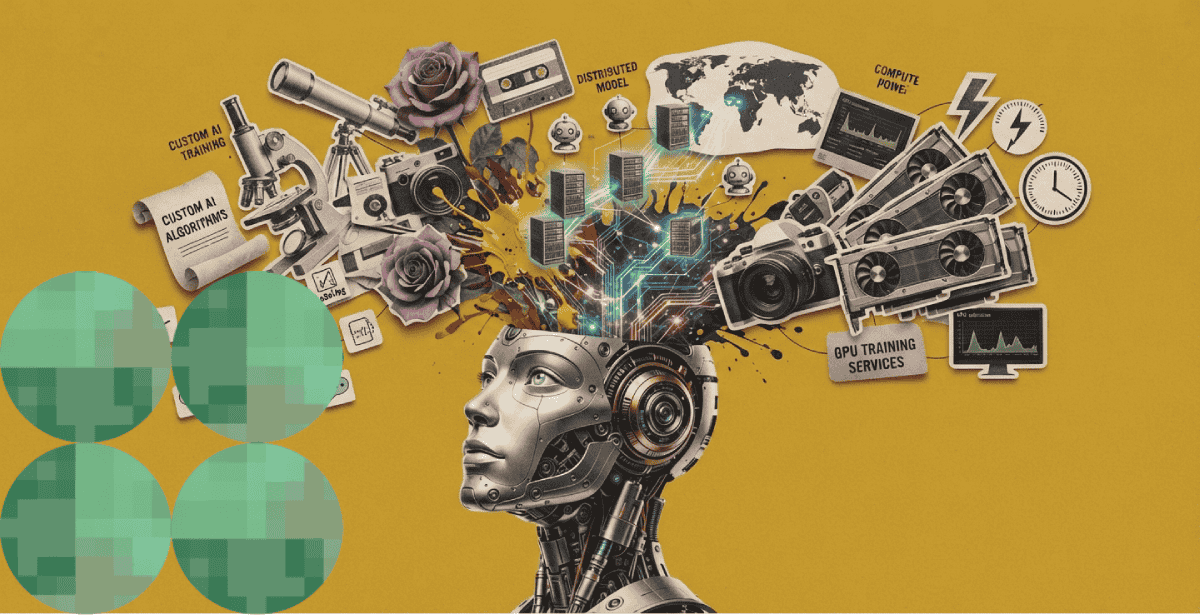
Training a model that works in a notebook is one thing. Training one that holds up at production scale is a very different engineering problem.
AI model training services exist to close that gap. They bring the GPU infrastructure, distributed training expertise, and fine-tuning discipline most teams don’t have in-house.
Model Training Infrastructure: The Foundation Before the First Epoch
Model training infrastructure determines whether training runs finish reliably. GPUs, storage throughput, and networking must work together efficiently.
A training job stalled by storage bottlenecks wastes expensive GPU hours. Diagnosing failures afterward costs even more engineering time than preventing them upfront.
Checkpointing strategy is equally important. Long training runs without frequent checkpoints risk losing days of progress to a single hardware failure. Frequent checkpoints turn catastrophic losses into manageable delays with minimal overhead.
Data pipeline throughput introduces another bottleneck once GPUs are no longer the limiting factor. Underfed GPU clusters waste budgets sitting idle while waiting for data.
Profiling the entire pipeline, not just model code, helps identify these issues before they escalate. This should happen before the first full-scale training run, not after budget overruns force the investigation. A day spent profiling can save weeks of wasted GPU time.
Deployment, monitoring, and retraining all depend on decisions made during this phase. Treating training infrastructure as a one-time setup overlooks its role in the broader machine learning lifecycle.
Reliable infrastructure, strategic checkpointing, and optimized data pipelines help teams control costs, minimize disruptions, and build a sustainable foundation for AI development.
💡 A model that performs well during training can still fail when exposed to real-world data and production conditions. MLOps services help establish consistent validation, version control, performance monitoring, and automated retraining workflows to detect issues early and maintain model reliability over time. These practices turn experimental models into dependable production assets.
GPU Training Services: Choosing Between Cloud, Dedicated, and Hybrid
GPU training services fall into three categories: cloud, dedicated hardware, and hybrid. The right choice depends on workload patterns, utilization, and budget.
Cloud GPU access suits variable workloads, allowing teams to scale capacity on demand while paying only for active usage. This flexibility eliminates significant upfront investment, making cloud an attractive starting point for early-stage teams.
The GPU-as-a-Service market is projected to grow from USD 5.1 billion in 2026 to USD 14.4 billion by 2033, reflecting the shift toward rented computing capacity.
Dedicated hardware makes more sense for teams running continuous, high-volume training. However, determining the break-even point requires careful modeling of utilization and seasonal demand rather than rough estimates.
Hybrid arrangements combine dedicated capacity for baseline workloads with cloud resources for peak demand. While flexible, they introduce coordination overhead that teams must account for.
Choosing the wrong model can result in wasted spending or missed deadlines. Capacity planning based on actual workload patterns helps avoid both.
Revisiting these decisions regularly ensures infrastructure remains aligned with evolving training requirements.
With the help of AI DevOps services, you can further address capacity planning alongside pipeline automation. This helps organizations optimize training infrastructure and operational efficiency.
Distributed Model Training: Splitting the Work Without Losing Accuracy
Distributed model training becomes necessary once a model or dataset outgrows what a single GPU can hold. Splitting that work across many devices without losing accuracy takes real care.
Data parallelism, splitting the dataset across devices, is the simpler and more common approach for most workloads. Each device trains on a different data slice using the same model weights.
Model parallelism becomes necessary once the model itself is too large for a single GPU’s memory. Different layers or components run on different devices, communicating constantly throughout the entire training run.
That constant cross-device communication is where distributed training most often goes wrong in practice. Network bandwidth between GPUs becomes the bottleneck long before compute capacity does.
Choosing the right parallelism strategy for a given model architecture is worth deciding early and deliberately. Retrofitting a different strategy mid-project usually means restarting training from scratch entirely.
Gradient synchronization overhead also compounds as the number of devices grows past a certain point. Poorly tuned synchronization can erase most of the speedup distributed training was meant to deliver.
Testing synchronization overhead at small scale before committing to a full cluster catches this problem early. A configuration that looks efficient on four GPUs can behave very differently on forty.
Case Study: 99% Precision Model Training for Digital Quran Text Authentication
The project Digital Quran needed a model capable of authenticating Quranic text against OCR errors, dialect, and calligraphy variation. Manual verification couldn’t scale to the volume required.
DPL trained a combined machine learning, deep learning, and computer vision pipeline purpose-built for this authentication task. The model had to generalize across widely varying handwriting and print styles.
The results demonstrate what disciplined model training delivers on a genuinely hard problem. The system now authenticates Quranic text with 99 percent precision across real-world variation.
Why Custom AI Training Rather than Off-the-Shelf Models
Custom AI training exists because generic pretrained models rarely match real-world production data. Industry-specific vocabulary, edge cases, and failure modes vary significantly across domains.
Models trained on general web text often struggle with specialized medical, legal, or financial terminology. Custom training bridges these gaps, improving performance on domain-specific tasks and unfamiliar inputs.
According to Stanford’s 2026 AI Index, global AI compute capacity has grown 3.3 times annually since 2022, making custom training increasingly accessible. Capabilities once limited to well-funded research labs are now within reach of smaller engineering teams.
For most business applications, fine-tuning a pretrained foundation model is more practical than training from scratch. It requires less data, computing power, time, and investment, making it especially valuable for teams without dedicated training resources.
🔥 Hot tip! You can further read our LLM fine-tuning services guide to discover how adapting open-source models can address specialized business requirements without the overhead of building models from scratch.
Evaluation deserves as much attention as training. Strong benchmark scores don’t guarantee success with real-world inputs.
Building a held-out evaluation dataset that reflects production conditions helps identify weaknesses before deployment. Regularly refreshing it as production data evolves also ensures evaluations remain relevant and reliable.
What a Full Engagement with AI Model Training Services Delivers
AI model training services involve far more than running jobs on rented hardware. Data preparation, infrastructure setup, training, and evaluation all contribute to successful outcomes.
Engagements typically begin with a data audit. Quality issues discovered late can trigger costly restarts, making upfront validation essential. A week spent auditing data can prevent significant downstream expenses.
Infrastructure is then configured around the specific model and dataset. Overprovisioning wastes budget, while insufficient resources slow progress and delay results.
Training and evaluation happen iteratively, as initial configurations rarely deliver optimal performance. Planning for multiple iterations upfront helps teams avoid unexpected costs and scope changes.
Computer vision workloads also introduce distinct training requirements. With the help of custom computer vision development services, you can discover specialized considerations for building models that perform reliably on visual data.
Documentation and knowledge transfer complete a successful engagement. Models that teams cannot retrain, maintain, or understand become liabilities when their original developers move on.
Documentation should cover data lineage, hyperparameters, training configurations, and evaluation results. Clear handoff materials enable new engineers to continue development without starting from scratch.
Ultimately, effective AI model training services combine sound data preparation, optimized infrastructure, iterative experimentation, and comprehensive documentation to deliver sustainable results.
Want to Build a Training Pipeline That Scales with the Model?
AI model training services earn their value by turning a research-grade model into something reliable enough for production. That reliability depends on infrastructure, process, and evaluation working together.
Model training infrastructure, distributed model training, and custom AI training each solve a different piece of that puzzle. Skipping any one of them tends to surface as a problem later. That problem usually appears at the worst possible time.
DPL’s AI engineering professionals are always happy to help achieve the above and more. We know exactly how to ensure your models hold up under real-world load, quarter after quarter.
Let us know how we can help you via the form below or the chat window.

Topics
Related Articles
-
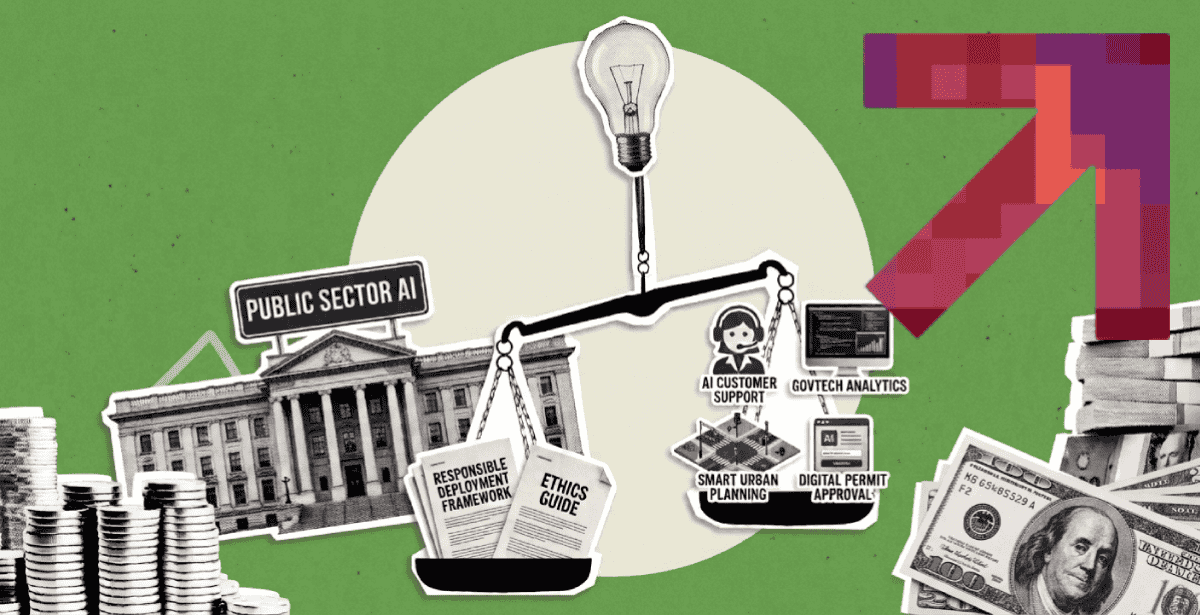
AI for Government – Building Responsible AI for Public Sector Organizations
23-Sep-2026 Waqas Sharif
-
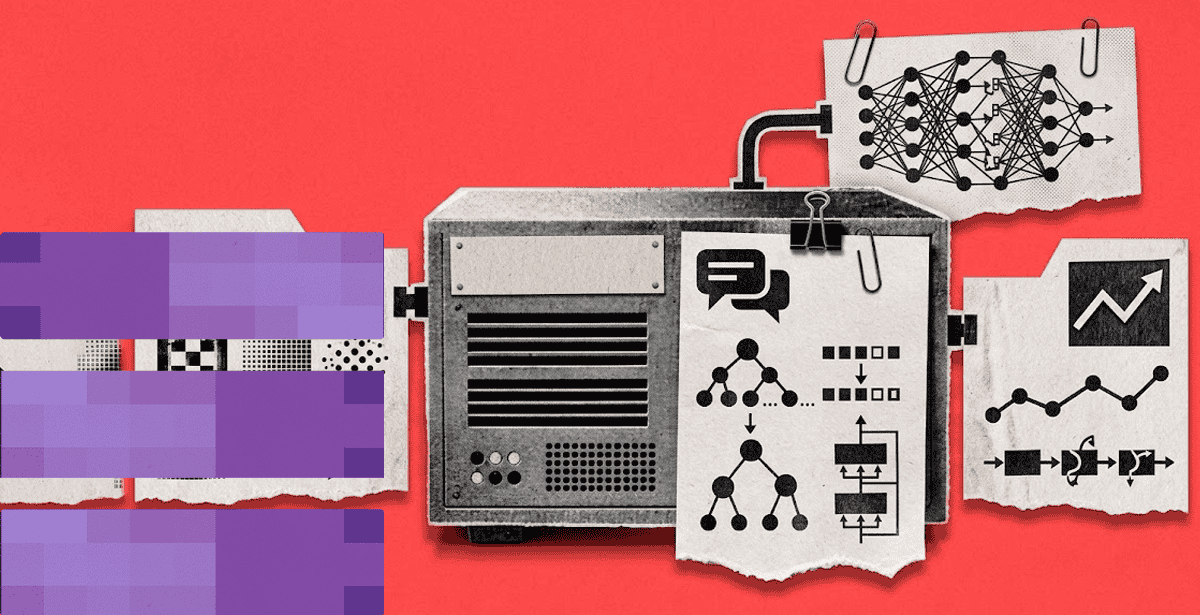
Your Guide on Custom Neural Network Development for Vision, NLP, and Time-Series Data
21-Sep-2026 Salman Naseer
-
Generative AI in Retail – Smarter Personalization, Product Discovery, and Marketing
20-Sep-2026 Talha Saleem