
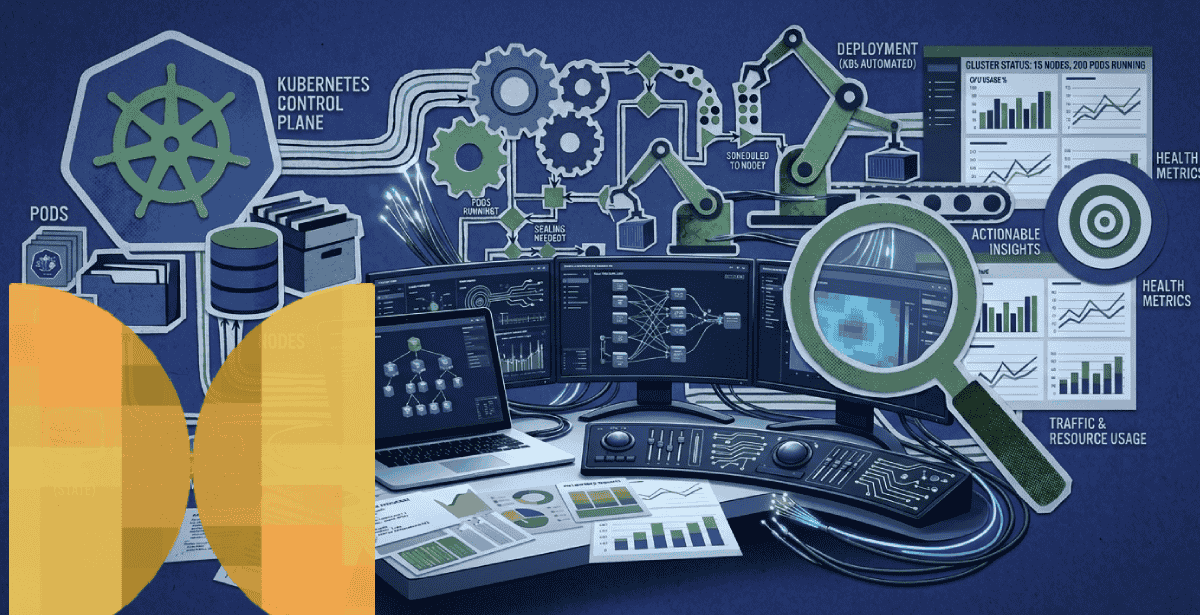
Running a handful of containers by hand is manageable. However, running thousands across dozens of nodes without help is not realistic for any team. Kubernetes orchestration exists to close that Read More…

A single neural network architecture rarely handles images, text, and sensor data equally well. Each data type has its own structure, and that structure should shape the model. Neural network Read More…

Most teams chasing better LLM output start by switching models. That instinct is usually wrong, and it gets expensive fast. Prompt engineering services frequently unlock more improvement than any model Read More…

Ask five engineers about SRE meaning and you will likely get five different answers. Some call it DevOps with a different title. Others describe it as a strict discipline with Read More…

Most enterprises already have the knowledge they need. It just sits scattered across wikis, PDFs, and shared drives nobody fully trusts. A language model alone cannot fix that. It only Read More…

Most companies do not need a new system built around an AI model. They need the model connected to the system already running their business. That connection is where most Read More…
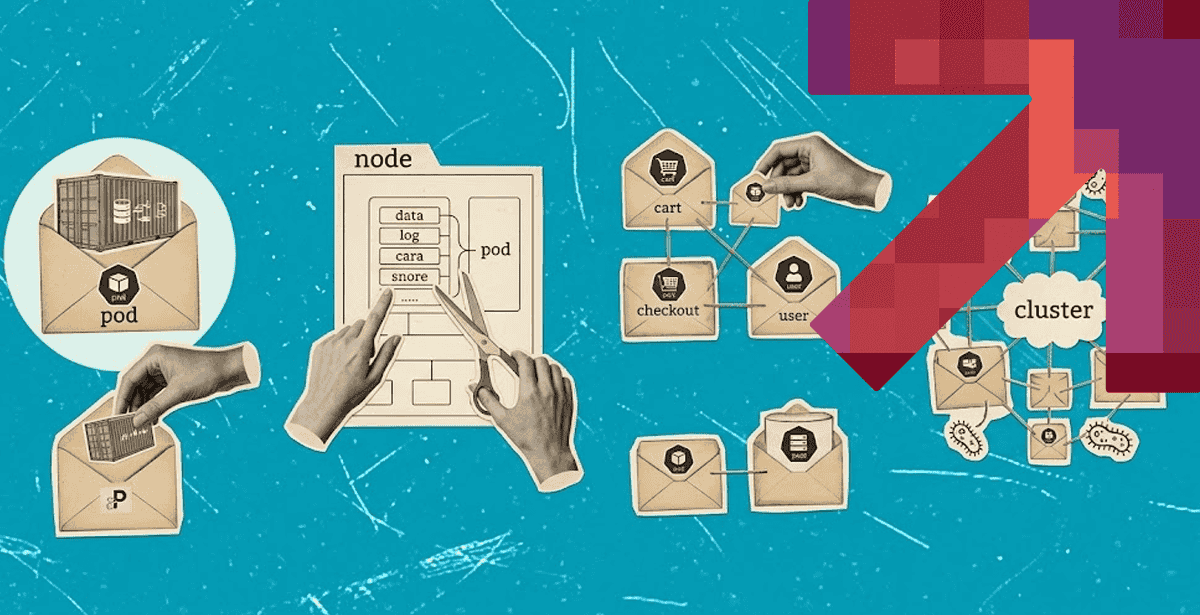
Every microservices deployment comes down to one question. How does a cluster actually run your code? The answer starts with Kubernetes pods. A pod is the smallest deployable unit in Read More…

Most cost problems in application development for cloud trace back to one decision made too early. A team picks an architecture pattern before understanding its real workload. That choice compounds Read More…

Kubernetes vs Docker gets framed as a rivalry more often than it should. The truth is simpler than that framing suggests. These tools solve different problems, and most production systems Read More…

Most multi-cloud management problems weren’t planned. Flexera’s 2026 State of the Cloud report notes that multi-cloud adoption “continues to rise, but often unintentionally,” driven by mergers, siloed teams, and inherited Read More…