
Cloud Managed Data Center Services – The Smart Way to Offload Infrastructure Operations


Handing off operations shouldn’t mean losing sight of what’s happening in your own infrastructure. Cloud managed data center services are supposed to remove operational burden, not replace visibility with a black box and a monthly invoice.
The stakes are real. Uptime Institute’s 2026 outage analysis found 57% of outages now cost organizations over $100,000, and 20% exceed $1 million. Meanwhile, 73% of organizations now run hybrid cloud estates, which makes maintaining visibility across environments harder, not easier.
Why “Offload Ops” and “Lose Visibility” Aren’t Supposed to Be a Tradeoff
The instinct to keep everything in-house often comes from one bad experience with a managed provider who became an opaque layer between the team and its own systems. That’s a vendor problem, not an inherent limitation of managed operations.
Done correctly, cloud managed data center services give your team a dashboard, not a black hole. Every action the provider takes should be logged, visible, and traceable back to a change ticket your team can review at any time.
💡Define ownership before you transfer operations. Moving to cloud managed IT services shouldn’t mean simply handing everything to a provider. Map responsibilities across infrastructure, security, monitoring, incident response, and application support before the transition begins. Clearly defining what stays in-house and what moves to the provider prevents ownership gaps and keeps critical operations accountable throughout the handoff.
What Cloud Managed Data Center Services Actually Cover
The scope typically spans infrastructure monitoring, patch management, backup and disaster recovery, security operations, and capacity planning across whatever mix of cloud and on-premises systems you run.
Where Cloud Managed Services Start and Stop
Cloud managed services should have a clearly defined boundary. Your provider owns uptime, patching cadence, and incident response times. Your team retains architectural decisions, data ownership, and final sign-off on anything that changes how the system behaves for customers.
That boundary needs to be written down, not assumed. A scope document that lists exactly which layers the managed provider touches, and which stay with your team, prevents the slow scope creep where a provider quietly starts making architectural calls nobody signed off on.
Choosing a Managed Cloud Service Provider Without Losing Control
The wrong managed cloud service provider treats access and reporting as a courtesy rather than a contractual obligation. The right one builds shared visibility into the engagement from day one.
Red Flags in a Managed Cloud Service Provider Contract
Watch for vague SLAs without measurable recovery time objectives, no read access to monitoring dashboards for your own team, and no clear runbook for how incidents get escalated. A managed cloud service provider worth hiring will show you the same CloudWatch, Grafana, or Prometheus dashboards their own engineers use.
Security posture is another place vendors cut corners. If a managed cloud service provider can’t explain how it enforces consistent security policy across multiple clouds, that’s a sign its operational maturity hasn’t caught up to the environments it’s managing.
💡Standardize policies, not cloud configurations. Effective multi-cloud security starts with defining consistent requirements for identity, access controls, encryption, logging, and compliance across AWS, Azure, and GCP. Then map those policies to each provider’s native security controls. This creates a unified security baseline without forcing every cloud environment into the same technical implementation.
Cloud Infrastructure Management Services: The Operational Layer That Doesn’t Sleep
Cloud infrastructure management services cover the unglamorous work that keeps systems running: patch cycles, certificate rotation, autoscaling policy tuning, and cost anomaly detection before it becomes a surprise invoice.
24/7 Monitoring, Patching, and Incident Response
DPL’s managed operations for a government complaint-management platform combine AWS WAF, GuardDuty, and CloudTrail with 24/7 monitoring, contributing to zero security incidents and 99.9% multi-AZ availability while processing 1,000+ citizen complaints daily.
That’s what cloud infrastructure management services should produce: fewer incidents, and full visibility into the ones that do happen.
Cost visibility belongs in this layer too. Cloud infrastructure management services should give teams a clear view of where infrastructure spend is going, not just a monthly bill at the end of the cycle. Monitoring resource utilization, usage trends, and unexpected cost spikes helps teams identify waste before it becomes a recurring expense.
This is especially important in dynamic cloud environments, where auto-scaling, storage growth, and fluctuating workloads can quickly change the cost profile. The goal isn’t simply to spend less; it’s to ensure infrastructure is provisioned efficiently while maintaining the performance, availability, and security the business requires.
Cloud Management Services That Preserve Visibility
The difference between cloud management services that build trust and ones that don’t usually comes down to tooling access. If your team can’t log into the same dashboards the managed provider uses, you don’t have visibility, you have a status report.
Dashboards, Alerts, and Shared Observability Tooling
Shared observability, through tools like Grafana, Prometheus, or the EFK stack, means your team sees the same metrics, logs, and traces in real time that the managed team is acting on. Alerts should route to both sides simultaneously, not get filtered through a support ticket queue before your team even knows something happened.
This is also where a decision on DevOps managed services versus keeping the pipeline in-house tends to come up. The same visibility principle applies: whichever model you choose, your team should never be the last to know about a failed deployment.
Hybrid Cloud Management When On-Premises Isn’t Going Away
Most enterprises aren’t fully cloud-native, and they don’t need to be. Hybrid cloud management exists because on-premises systems, whether for compliance, latency, or legacy investment reasons, are staying put for the foreseeable future.
Keeping VMware, On-Premises, and Cloud Consistent
DPL built a distributed operations model for a national logistics client running VMware vSphere across 10+ remote terminals with unreliable connectivity, syncing data bi-directionally with the cloud in near real time while cutting manual intervention by 85%.
Effective hybrid cloud management means one consistent operational model, not two disconnected ones that happen to share a budget line.
What Good Managed Operations Look Like in Practice
The cloud managed services market is projected to grow from $146.5 billion in 2025 to $326.6 billion by 2033. Enterprises driving that growth aren’t buying blind outsourcing. They’re buying operational capacity they can still see into.
The distinction comes down to visibility and accountability.
Good managed operations don’t put infrastructure behind a black box. The provider should have clear ownership of monitoring, patching, incident response, performance, and cost optimization while giving the client access to the data needed to understand how the environment is performing.
The right operating model also makes success measurable. Uptime, recovery times, infrastructure costs, security incidents, and resource utilization should be tracked against defined targets, giving both teams a shared view of operational performance.
DPL has managed a sub-$1-per-device IoT cloud platform for 200,000+ connected devices, sustaining 99.9% uptime and cutting mean time to recovery by 60%, all while the client’s own team retained full dashboard visibility into device health and cost. That’s the model: operations offloaded, accountability and insight retained.
Frequently Asked Questions
What’s the difference between cloud managed services and simply outsourcing IT?
Cloud managed services are scoped, measurable, and typically tied to SLAs for uptime and response time. Generic IT outsourcing often lacks that specificity, which is where visibility tends to disappear.
Can hybrid cloud management work if some systems are air-gapped?
Yes, with adjusted tooling. Air-gapped environments need on-premises monitoring and logging stacks that mirror cloud dashboards without external connectivity, which is achievable but requires deliberate architecture.
How do I verify a managed cloud service provider is actually providing visibility?
Ask for direct, read-level access to the same monitoring and alerting tools their engineers use, not a periodic summary report. If that access isn’t offered upfront, treat it as a negotiation point before signing.
Does hybrid cloud management cost more than a single-cloud managed services setup?
Usually, yes, since it requires tooling that spans on-premises and cloud environments consistently. Most organizations still find it cheaper than the alternative: maintaining two separate, disconnected operations teams and reconciling their data by hand.
Offload the Work, Keep the Oversight
Cloud managed data center services should reduce your team’s operational load without cutting them out of the loop. DPL has run this model for government platforms, IoT fleets, and hybrid on-premises operations where zero visibility simply isn’t an option.
Explore DPL’s managed cloud services to see how a transparent operating model can take work off your plate without taking away your view of the system.

Topics
Related Articles
-
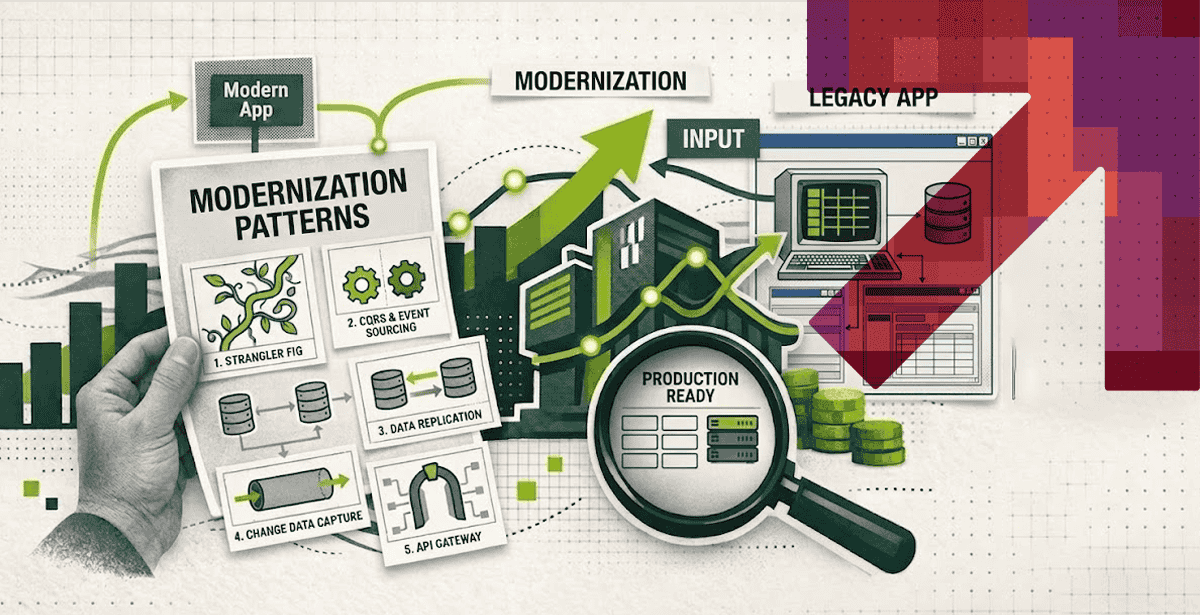
Legacy App Modernization – 5 Architecture Patterns That Work in Production
18-Aug-2026 Waleed Riaz
-
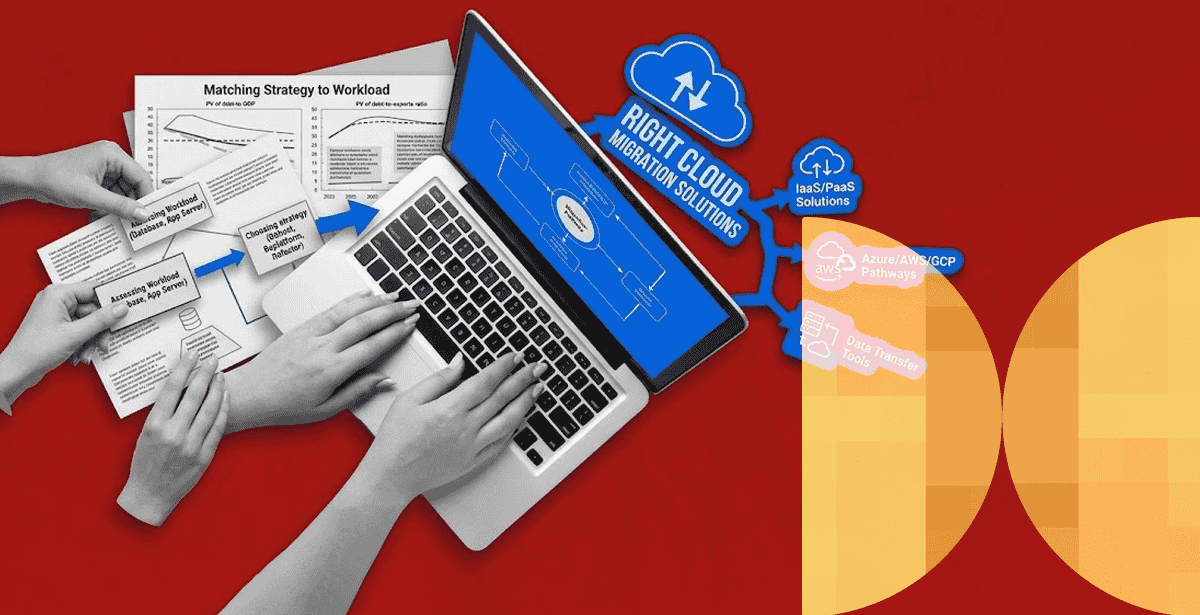
Cloud Migration Solutions – How to Match Your Strategy to the Right Workload
12-Aug-2026 Hazar Hayat
-
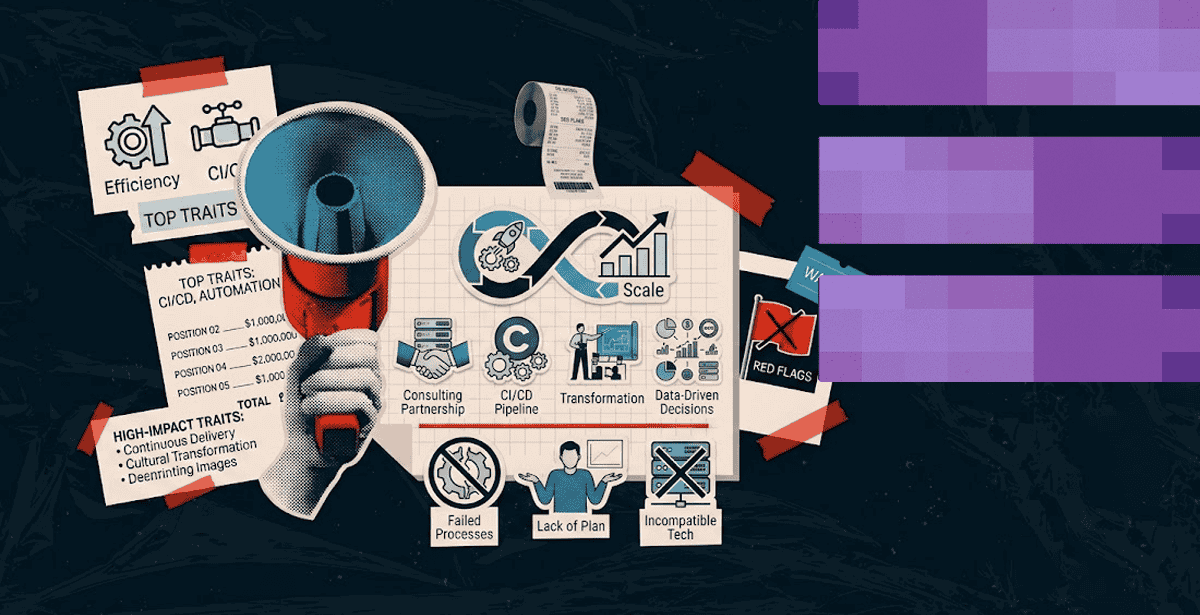
Top Traits of High-Impact DevOps Consulting Companies (and Red Flags to Avoid)
11-Aug-2026 Waqas Sharif