Choosing Smart Home Solutions That Work Together


A smart home should make everyday living simpler, not leave you juggling disconnected apps, incompatible devices, and competing ecosystems. Yet that’s exactly what happens when homeowners choose gadgets based on individual features rather than how well they work together.
The real value comes from building a connected environment where lighting, security, climate control, and entertainment operate as one cohesive system.
Choosing the right smart home solutions means looking beyond standalone functionality and prioritizing compatibility, interoperability, and long-term flexibility. And by the end of this post, you will know exactly what to do.
Why More Devices Doesn’t Mean Better Smart Home Automation
Smart home automation is supposed to reduce effort, not add steps. Lights dim, locks engage, and thermostats adjust without a manual trigger.
That only works when every device shares a common language. A lock from one brand and a thermostat from another often can’t exchange a basic signal like “someone just left.”
Automation breaks down exactly at these handoff points. Each unsupported pairing becomes one more manual routine a homeowner ends up building themselves.
Protocol choice sits underneath almost every one of these failures. Two devices built on different wireless standards may never discover each other. That holds true no matter how good either product looks on a store shelf.
That is a hardware-layer problem, not a software bug a vendor can patch later. Choosing products built on a shared protocol from the outset avoids most of this friction entirely.
💡 Choosing a smart home protocol means balancing device compatibility, network reliability, power consumption, and scalability. Two common options you can find are Zigbee and Z-Wave. However, when comparing Zigbee vs Z-Wave, consider the devices you plan to connect, the size of your network, and whether your preferred ecosystem supports both protocols. Making the right choice early helps avoid compatibility issues and creates a more reliable connected home.
Protocol compatibility should be the first filter applied, not the last one. Buying the flashiest device in each category, without checking protocol support first, is how fragmented systems get built.
Most homeowners only discover the mismatch after the return window has already closed. By then, the fix usually means replacing an entire category of devices rather than one.
That replacement cost is exactly what a little upfront research is meant to prevent. A single evening spent checking protocol specs can save months of frustration later.
Hub selection matters just as much as the devices sitting around it. A hub that only speaks one protocol forces every future purchase into that same narrow lane. That holds even when a better product exists elsewhere.
Picking a hub built for multi-protocol support keeps real options open later. A flexible hub costs little extra up front. It saves real money and real frustration the next time a new device category gets added to the home.
Smart Building Solutions: When the Platform Scales Beyond a Single Home
Smart building solutions face the same interoperability problem, just at a much larger scale. A single incompatible device type can multiply into hundreds of units across one property.
That multiplication effect changes the stakes considerably. A protocol mismatch inside one apartment is an annoyance. The same mismatch repeated across a thousand units becomes an operational failure.
Property owners and facility managers need a platform that abstracts those differences away entirely. Individual device protocols should stay invisible to the people actually managing a building day to day.
Staffing reflects this need too. A facilities team shouldn’t have to learn four separate vendor dashboards just to check one building’s status each morning.
Procurement gets harder as a portfolio grows, too. Each newly acquired building often arrives with its own legacy mix of devices. Locks, sensors, and climate controls were installed by someone else entirely, long before acquisition.
A platform built to absorb that variety avoids a slow, expensive rip-and-replace project. DPL’s smart building solutions are built around exactly this principle: one platform layer spanning many device types and vendors.
That platform-first approach matters more as any portfolio grows. A solution that works cleanly for ten units needs real architectural discipline to still work cleanly at ten thousand units.
Smart Apartment: One Platform, Many Device Categories
A smart apartment is where interoperability gets tested hardest. Locks, lights, thermostats, and sensors all need to report into one coherent system, not four separate ones.
Case Study: Unifying Locks, Lights, and Sensors Across 30,000+ Apartments
DPL has been the core technology partner of iApartments since early 2019. That partnership has carried the platform from its MVP stage through a successful Series A round. The team built the solution on AWS IoT Core, now managing more than 200,000 connected devices across residential units.
Every device category feeds one unified platform, not a separate silo per vendor or protocol. The results show what real interoperability delivers once it is built in from the start.
The platform now supports more than 30,000 apartments. More than 80,000 units are targeted by 2027. The system has already saved an estimated 552,000 resident and staff manhours annually.
That scale depended entirely on treating interoperability as a first-class requirement from day one. Retrofitting it onto four already-separate device silos later would have cost far more in engineering time.
Device-level economics stayed sustainable throughout that growth too. The platform runs at a sub-$1-per-device monthly cost, even while ingesting more than 2 million datapoints from over 30,000 apartments.
That combination of interoperability and cost discipline rarely happens by accident. It takes a platform designed from day one to treat every device category as one system, not four competing ones.
Connected Home: What Actually Breaks When Devices Don’t Talk
A connected home should feel like one system, not a pile of separate gadgets. Most interoperability failures show up in small, everyday moments rather than dramatic outages.
A thermostat that doesn’t know a window sensor just tripped keeps running the furnace anyway. A security system that can’t see a smart lock’s current status gives a false sense of coverage.
How do you know if your smart home devices are actually interoperable? Check three things:
- Do they share a certified protocol?
- Can one app see every device’s status?
- Can automations trigger across brands, not just within one?
Security is where disconnected devices create the most real risk. A full accounting of entry points, cameras, and sensors is genuinely hard to maintain across four separate vendor apps.
Each app tends to show only its own slice of the picture. Nobody ends up with one clear view of the whole property’s exposure.
Most homeowners never audit their full device footprint until something goes wrong. A missed firmware update or an orphaned account can quietly become an open door nobody is watching.
That blind spot usually isn’t a technology failure at all. It’s a visibility failure, caused by too many separate apps and too little shared status.
Fragmentation like this is no longer a rare edge case among today’s buyers. Nearly 30 percent of U.S. internet households already have three or more smart home devices. The average smart home now runs 7.1 devices in total.
That number keeps climbing every year as new categories of devices reach the mainstream market. Buying decisions made without an interoperability lens now compound faster than they did even a few years ago.
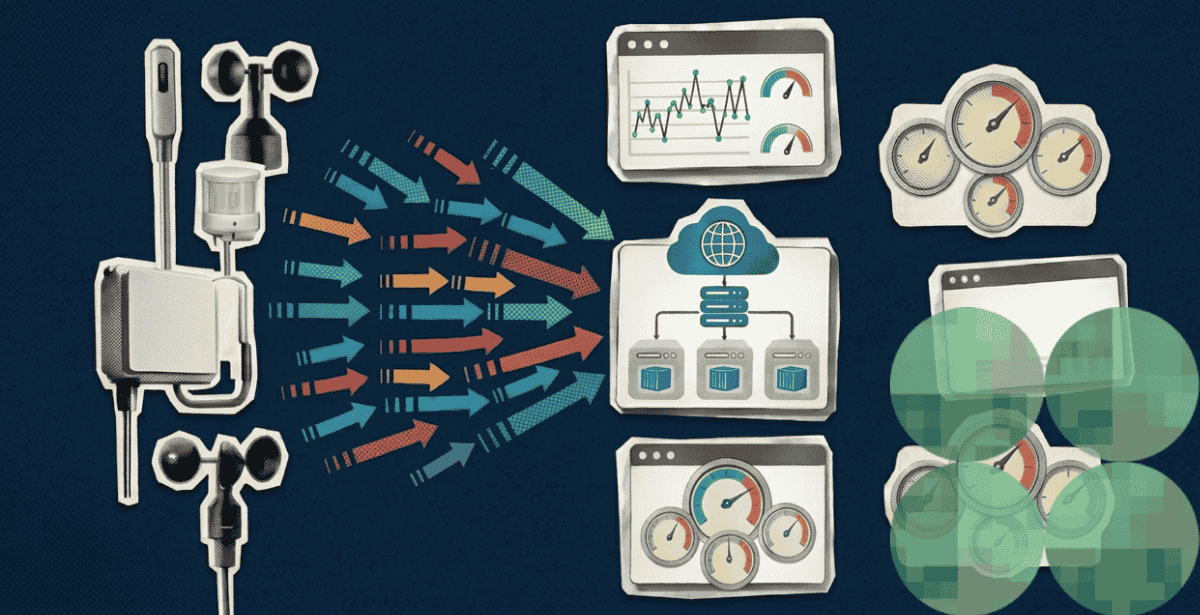
💡 A connected home should work as one coordinated environment rather than a collection of independently operated gadgets. Smart Home IoT brings together interoperability, centralized control, reliable connectivity, and automation rules that allow devices to respond to shared conditions. This makes everyday living more convenient by ensuring lighting, climate control, security, and appliances work together seamlessly.
A Practical Checklist for Choosing Compatible Products for IoT Solutions
Good IoT solutions share a few traits worth checking before any purchase gets made. Protocol compatibility comes first, followed by a documented integration path between device categories.
Vendor lock-in deserves real scrutiny too. A platform that only works with one manufacturer’s hardware will constrain every future purchase decision made after the first one.
That constraint tends to show up years later, not immediately. A buyer notices it only once a favorite new device turns out to be unsupported by the existing platform.
By that point, switching platforms is expensive. Every previously installed device has to be re-paired, reconfigured, or simply replaced outright.
Few buyers plan for that cost at purchase time. It only becomes visible once an ecosystem has already grown too large to easily unwind.
Asking a vendor directly about certified interoperability standards is worth the extra step before buying. A vague or evasive answer there usually predicts a frustrating setup experience later on.
Reviewing real deployment examples, instead of marketing claims alone, is the most reliable gut check available to a buyer. A vendor that has unified device categories at genuine scale has earned real credibility worth trusting.
That credibility matters more than any single feature comparison chart. A platform proven at scale has already absorbed the integration headaches a new buyer has not yet encountered.
Asking for references from similar-sized deployments is a reasonable request to make. Most established vendors will have a handful of comparable stories ready to share.
Market growth is making this checklist more relevant every year, not less. The global smart home market is valued at USD 180.12 billion in 2026. It is projected to reach USD 848.47 billion by 2034.
That growth means more device choices showing up on store shelves every season. It does not mean fewer compatibility headaches to sort through before buying anything.
Need Smart Home Solutions that are Built to Last?
Smart home solutions only deliver on their promise when every device genuinely cooperates with the rest. Treating interoperability as an afterthought is the single most common buying mistake people make.
That’s where we come in the picture.
Start with protocol compatibility, not brand loyalty or design alone. Verify integration claims against real
DPL’s IoT development expertise ensures unified device platforms across residential, commercial, and workforce deployments. Let us know how we can help you with your smart homes, communities, etc. via the form below.