Inside IoT Software Development -Firmware, Connectivity, and Cloud

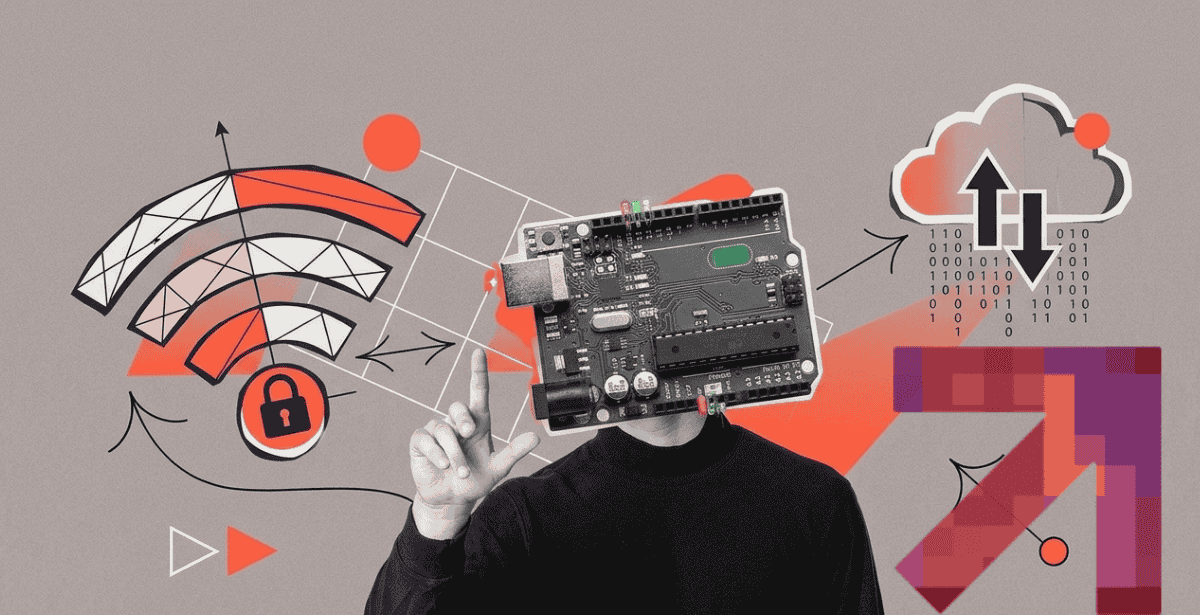
A connected product is never really one piece of software. It is three layers working together, often built by different teams entirely.
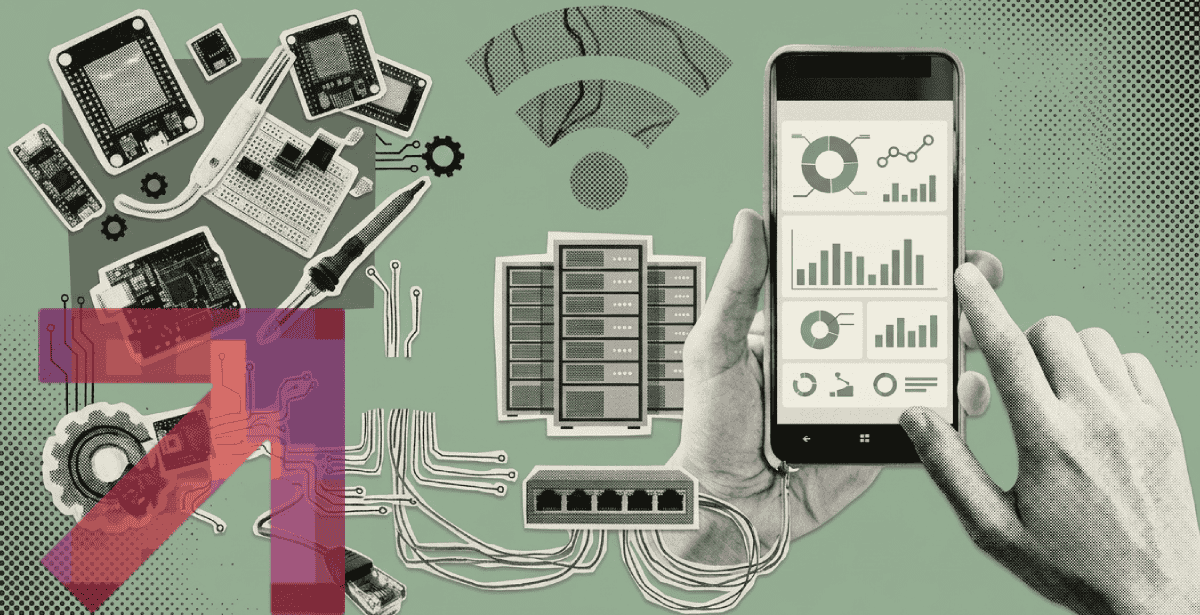
IoT software development spans three layers. Firmware runs on the device itself. Connectivity links the device to the cloud. The cloud layer turns raw data into something useful.
If you’re curious about how these three layers fit together, this guide is for you. You’ll also discover where teams most often underestimate the integration work between them.
Why the Three Layers of IoT Development Rarely Get Equal Attention
IoT development projects tend to over-invest in one layer while shortchanging the other two. Firmware teams often ship working hardware with no real cloud strategy behind it.
That imbalance shows up fast once a product moves from prototype to real deployment. A cloud dashboard built as an afterthought rarely scales past the first few hundred units in production.
Budgeting attention across all three layers from day one avoids that imbalance. Each layer deserves its own design review, not just a line item in a broader plan.
Staffing follows the same pattern as budgeting. A team heavy on firmware engineers but light on cloud expertise will naturally under-invest in the layer it understands least.
Hiring or contracting to fill that specific gap produces a more balanced result. Stretching an existing team thin across all three layers rarely works as well.
That balance is worth revisiting at each project phase, not just at kickoff. A team shaped correctly for prototyping often needs reshaping once real deployment begins.
According to Fortune Business Insights, the global IoT market is valued at USD 864.32 billion in 2025. It is projected to reach USD 5,552.48 billion by 2034. That growth spans all three layers, not just one.
Teams that treat IoT development as a single discipline tend to discover the gap the hard way. Usually that discovery happens during a live deployment, under real pressure.
That pressure rarely leaves room for a thoughtful redesign. Most teams end up patching the weakest layer under deadline pressure. Fixing the planning gap that caused it in the first place rarely happens.
A short cross-layer design review early in the project costs little. It catches most of this risk before it compounds into something considerably more expensive to fix.
That review works best as a recurring habit. A one-time checkpoint, buried at the start of a project plan, tends to get forgotten soon afterward.
Each layer’s representative should leave that review with a clear picture. They need to know exactly what the other two layers now expect from them.
💡 Cross-layer coordination starts with defining how devices, networks, and cloud services will exchange data throughout the product lifecycle. Internet of Things development should establish clear interface requirements, data formats, communication protocols, and ownership boundaries across hardware and software teams. Agreeing on these dependencies early reduces integration rework and helps prevent individual components from becoming isolated as the product scales.
Embedded Software Development: Where Reliability Gets Decided First
Embedded software development sets a hard ceiling on everything built above it later. A firmware bug that corrupts sensor readings cannot be fixed by clever cloud logic downstream.
Resource constraints shape embedded work in ways cloud developers rarely encounter directly. Memory, power, and processing budgets are often fixed before a single line of code gets written anywhere.
Choosing a microcontroller is often the single decision with the widest ripple effect across an embedded project. So many later choices depend on it directly.
Those fixed constraints force tradeoffs early. A feature that would be trivial in cloud software can require real engineering effort inside a tight embedded footprint.
Over-the-air update capability deserves attention early in firmware design, not as a late addition. A device that cannot be patched remotely becomes a long-term liability the moment it ships.
Testing on real hardware, not just a simulator, catches timing and power issues a simulator cannot reproduce. That gap between simulated and real behavior surprises many teams.
The embedded software market was valued at USD 19.2 billion in 2025 as per Grand View Research. It is projected to reach USD 42.6 billion by 2033. That growth reflects how central this layer has become.
Case Study: Firmware-to-Cloud Connectivity Across 50,000+ Workers
National Janitorial Solutions (NJS) needed real-time location tracking across a huge, distributed workforce. Manual check-ins could not scale to the size of that operation.
DPL built a WiFi-based indoor location tracking system that connects embedded hardware directly to a central cloud platform. The system now runs across more than 50,000 workers.
The results show what disciplined firmware-to-cloud integration delivers at genuine scale. The deployment spans more than 18,000 locations across all 50 US states simultaneously.
That scale depended on firmware and connectivity decisions made early, long before the cloud dashboard existed. Retrofitting connectivity onto already-shipped hardware would have been far harder to pull off.
Power budgeting mattered considerably here too. Armband-style wearables need to run a full shift on one charge without failing partway through.
IoT App Development: The Interface Between Device and Decision
IoT app development turns device data into something a person can act on. That interface might be a mobile app or an operations console. Raw telemetry alone helps nobody directly.
Offline functionality matters more in IoT app development than in most other software categories built today. A field technician’s app needs to work without reliable connectivity available.
Syncing queued actions once connectivity returns is its own real design problem, not an afterthought. Conflicting updates from multiple offline sessions need a clear resolution strategy.
Notification design deserves equal care in this layer. Too many alerts train users to ignore the app entirely, which defeats the point of building it.
Getting that balance right takes real user research. Engineering judgment alone, about what seems important, is rarely enough on its own.
💡 A strong portfolio is useful, but it doesn’t always reveal how a development partner handles problems after deployment. Ask the prospective IoT development company for examples of products they’ve taken from prototype to production, including how they addressed hardware failures, connectivity issues, security vulnerabilities, and scaling challenges. Evidence of long-term product support and real-world troubleshooting can tell you far more than polished demos alone.
Using IoT Dashboard to Turn Telemetry into Decisions Worth Making
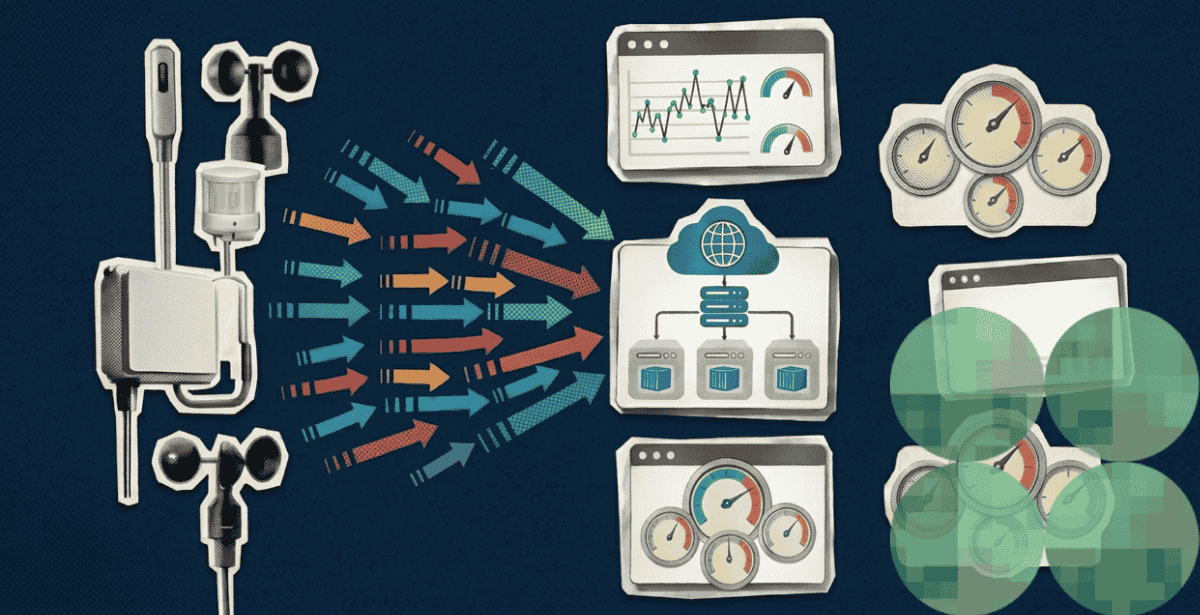
An IoT dashboard is where all three layers finally become visible to a person making a real decision. A well-built one earns daily use. A poor one gets ignored quickly.
Too many dashboards try to show every available metric at once. That approach defeats the entire purpose of building a dashboard in the first place.
Good dashboard design starts with the decision a viewer needs to make, then works backward from there. Starting from whatever data happens to be available rarely produces a useful result.
That backward design process takes longer upfront than simply exposing every available metric on a screen. It is time well spent, since the resulting dashboard actually gets used instead of ignored.
Role-based views matter considerably here too. A field technician and an operations director need genuinely different information, pulled from the same underlying data layer.
💡 A dashboard should make it easier to spot what needs attention, not force users to sift through endless telemetry. An IoT dashboard should organize data around operational priorities, using role-specific views, threshold-based alerts, historical trends, and clear status indicators to help teams identify anomalies and respond quickly. This keeps monitoring actionable as device fleets and data volumes grow.
Setting an IoT Platform to Connect Everything Else
An IoT platform is the backbone connecting firmware, connectivity, and application layers into one coherent system. Choosing the wrong one creates friction that compounds over years.
Device management capability matters most once a fleet grows past a few hundred units. Manually managing device credentials and firmware versions stops scaling almost immediately past that point.
That scaling problem rarely announces itself in advance. It tends to surface quietly, right as a rollout accelerates and nobody has time left to redesign the system.
Choosing a platform built for that scale from the outset avoids a painful mid-rollout migration. Many teams eventually face one once growth outpaces the original design. You can further read our guide on choosing an IoT cloud platform to connect millions of devices covers for more insights.
Vendor lock-in is worth weighing carefully during platform selection too. A platform tightly coupled to one cloud provider can complicate a future migration considerably down the line.
Get IoT Software Development Right
IoT software development succeeds when firmware, connectivity, and cloud get designed together. Handing layers off between disconnected teams in sequence is where most real projects stall.
Starting with a clear data contract between layers prevents the most common integration surprises. Agreeing on that contract before any code gets written saves considerable rework later.
However, you can save your time by getting the experts on the job.
DPL’s IoT development experts have the skill, experience, and expertise to achieve your goals. Let us know how we can help you via the form below.