
A Guide on the Latest Evolution of Outsourcing Software Development Services
Traditional outsourcing is reaching a natural end as its long-standing inefficiencies are increasingly outweighing its cost advantages. History is filled with examples proving that externalizing critical functions often introduces more risk than value, particularly in an era demanding speed, transparency, and integrated digital capabilities.
In addition to shedding the light on the prominent inefficiencies of legacy outsourcing, this whitepaper introduces a new evolution of this business practice. Modern outsourcing shifts the focus on cross-functional teams, shared governance, continuous co-innovation, and aligned incentives to create a true strategic partnership.
As businesses transition toward AI-driven operations and tighter digital interdependence, the new evolution of outsourcing delivers a sustainable, collaborative alternative that will empower high-performing organizations build and scale capability.
Information technology outsourcing is a common business practice that even tech giants have relied on for years.
In 2009, WhatsApp co-founders Jan Koum and Brian contracted Russian developers to build the renowned communications app. This, in turn, helped the app scale quickly, amassing over 450 million monthly active users and over 300 million daily active users in 2014.1 With 1.5 billion users and 60 billion messages sent per day by Q4 2017, it is no wonder the app caught Facebook's attention and was acquired for $19 billion.


Similarly, Google uses strategic outsourcing as a competitive advantage. The tech mogul has several outsourcing partners to handle a range of tasks such as customer service, data management, and operations. Not only does this allow Google to improve service delivery and operational agility, but it supports innovation through experienced talent. All while focusing on its core competencies and improving the quality of its services. Despite these success stories, conventional outsourcing is ready to meet its demise. Automation, AI-driven workflows, and low-code platforms are rapidly replacing tasks once handed to external vendors. Moreover, as companies prioritize efficiency and data security, the legacy outsourcing model is becoming increasingly obsolete. Further contributing to the 'death' of traditional IT outsourcing is the demand for tighter control, faster decision-making, and deeper alignment
The death of traditional outsourcing has been brought on by several factors. While the boom in automation may have sped the process, the following inefficiencies have contributed greatly to organization's shift away from this practice:

Gone are the days when organizations needed a partner to shoulder their burdens. Now, they seek partners who can drive strategic growth and innovation. To be more precise, organizations are shifting away from transactional relationships towards collaborative external providers that offer:
Driving this change are several factors such as the quick pace of technological advancements and heightened global competition.
Moreover, the push to embrace strategic outsourcing models stems from the change in overall business processes. Organizations are shifting from transactional, task-based operations to integrated, value-driven ecosystems where speed, specialization, and digital enablement are essential. Instead of outsourcing merely to cut costs, companies now seek partners who can co-innovate, align with long-term objectives, and support transformation initiatives.

Boeing's 787 Dreamliner program is one of the most widely cited examples of an outsourcing strategy that failed because the company treated outsourcing as a cost-cutting exercise, not a strategic partnership model.
Instead of selectively outsourcing non-core tasks, Boeing outsourced majority of the aircraft's design and manufacturing, including critical, highly complex components traditionally developed in-house. Industry analysts criticized the organization for not taking a strategic, capability-based approach to deciding what should remain internal versus what was safe to contract out.
Moreover, a true outsourcing partnership requires shared goals, mutual capability building, and transparent collaboration. Boeing's relationships with 787 suppliers were the opposite.
Firstly, many partners were left to solve engineering and manufacturing challenges with limited support. When delays emerged, suppliers hesitated to escalate issues, fearing penalties or reputational risk.
Overall communication was weak, leading to Boeing dispatching its engineers overseas just to get basic information and fix critical errors. This reactive intervention revealed a lack of ongoing collaboration and a breakdown in trust.
Eventually, Boeing had to step in and bring the work in-house. This is one of the clearest indicators that the outsourcing relationships lacked capability alignment, shared understanding, and effective joint governance.
Because Boeing failed to approach outsourcing strategically, the entire program suffered:
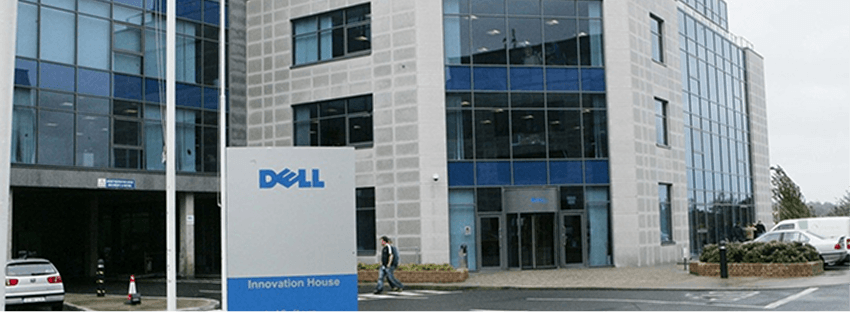
Dell announced on January 8, 2009, the closure of its entire manufacturing operation in Limerick, eliminating 1,900 jobs between April 2009 and January 2010. The decision was driven by the necessity to reduce costs and remain competitive in a market with tight margins. Moreover, the costs in Poland were significantly lower.
However, the move caused significant anger among the Irish workforce, some of whom were reportedly asked to train the Polish staff who were to replace them. According to a Dublin Business School study, the decision to move operations from Limerick to lower-cost locations created widespread fear and insecurity, even among employees whose jobs remained.
Staff reported feeling undervalued and disposable, as years of loyalty and skills development appeared secondary to cost reduction. The surveys in the study also showed that communication from management came off as impersonal and abrupt, which intensified feelings of betrayal and eroded trust in leadership.
By hiring external partners, organizations aim to receive specialized expertise, autonomous execution, and operational efficiency. However, micromanagement can prevent all of that and even lead to friction.
By micromanaging third parties, organizations end up with low control, high complexity, higher costs, slower execution, and strained relationships.
Outsourcing often introduces significant quality control challenges, particularly when work is distributed across external vendors and offshore teams.
This stems from the reduced visibility and direct oversight organizations have over day-to-day execution, which can lead to inconsistent standards, misunderstood requirements, and delayed detection of defects. This, in turn, results in more defects and rework, especially in complex or customer-facing systems.
At times, work quality issues may occur due to in-house employees not following the same standard. A good example in this case is that of the Royal Bank of Scotland's 2012 technical failure. A major IT outage occurred after a faulty software update to its CA-7 batch-processing system, disrupting overnight transactions. Millions of payments failed, customer balances were incorrect for weeks, and operational recovery required extensive manual intervention and remediation.
Although initial blame was directed at offshore vendors, investigations showed that the bank's own technical staff caused the failure by mishandling the routine update. They ignored standard change-management procedures, failed to restart the system properly, and did not roll back the change when jobs began failing. Poor internal testing, weak documentation, and inadequate incident escalation further turned a minor update into a prolonged outage affecting millions of customers.

In 2016, Hertz hired Accenture to lead a major digital transformation of its website, mobile applications, and reservation systems.
However, according to court filings and media investigations, Accenture repeatedly failed to deliver functional, production-ready software despite years of development and tens of millions of dollars in spending.
Hertz alleged that core components of the new website and mobile app were incomplete, unstable, and failed basic acceptance testing, making them unusable for customers. The poor quality of deliverables resulted in missed milestones, mounting rework, and significant delays.
Analysts blame quality issues on Accenture's heavy reliance on offshore development teams without adequate quality controls or business-domain alignment. Hertz argued that distributed teams lacked a deep understanding of its complex rental, pricing, and reservation workflows, resulting in misinterpreted requirements and inconsistent code.
Although Accenture promoted an agile delivery approach, Hertz claimed agile practices were poorly implemented, with unclear sprint goals, loosely defined user stories, and inadequate acceptance criteria. As a result, unfinished or defective features were often presented as complete, masking deeper quality issues until late in the project lifecycle.
Governance and accountability failures further compounded the problem. Hertz alleged that Accenture did not adequately escalate risks, downplayed delays, and shifted responsibility to changing requirements and legacy-system complexity. Moreover, quality assurance lacked independent validation and enforceable quality gates, allowing defects to persist across multiple release cycles.
By 2019, the relationship had deteriorated to the point where Hertz terminated Accenture and sued the firm for approximately $32 million in damages.
Despite being promoted as a cost-saving strategy, outsourcing has frequently become the opposite due to hidden costs and budget overruns. The following costs are especially problematic as they may slow productivity and increase internal workload long before any cost savings materialize.
| Hidden Cost | Description | Estimate |
|---|---|---|
| Transition and Knowledge Transfer Costs | Resources spent training the vendor, documenting processes, and enabling handover | 15–25% of the first-year contract value |
| Contract Management and Oversight | Internal staff needed to oversee vendor performance, SLAs, governance, and risk | 8–12% of annual contract value |
| Communication and Coordination Overheads | Extra meetings, cross-time-zone coordination, documentation, and slower decision cycles | 5–10% increase in operational costs |
| Change-Order Fees | Charges for any scope adjustments, new features, integrations, or process changes | 20–50% of original project cost over the full lifecycle |
| Quality Issues and Rework Costs | Fixing defects, redoing work, extra testing, or completing unfinished deliverables | 10–30% of total project cost |
| Employee Morale and Productivity Decline | Drop in engagement, retention, and productivity when staff feel displaced | 5–15% of payroll for affected teams |
| Vendor Lock-In and Switching Costs | Costs associated with exiting a vendor and transitioning to a new provider or back in-house | 50–100% of one year of contract value |
| Hidden Cybersecurity and Compliance Costs | Extra audits, security reviews, and risk mitigation when data leaves the organization | 5–10% additional compliance overhead |
| Business Continuity and Outage Risks | Potential revenue loss from vendor-caused outages or delays | $100k–$1M+ per hour |
Collectively, these hidden expenses demonstrate that outsourcing is rarely as economical as projected on paper. Further, the lack of strong governance, adaptable contracts, and aligned incentives erode at cost savings. Therefore, organizations are left with higher-than-expected budgets and diminished strategic value.
A relevant example here is that of the 2010 Queensland Health payroll system implementation. Delivered by IBM, the new solution was delivered despite known issues and incomplete testing. Queensland's public health system ended up facing backlash from 78,000 employees who received inaccurate pay or none at all.
Identity misrepresentation occurs when outsourced workers or vendors present themselves as something they are not. Not only is this considered fraud, but it is also a failure of ethics that is embedded in the operating model of traditional outsourcing.

Despite publicly denying and disputing all claims against it, Infosys Limited paid $34 million to settle U.S. federal allegations that it systematically used B-1 business visitor visas to bring Indian employees into the U.S. to perform productive labor, which legally requires H-1B or other work-authorized visas.
B-1 visas are limited to meetings, training, or contract negotiations. They are not to be used for client delivery or operational work. However, Infosys allegedly coached its employees on how to describe their roles, ensuring border officials grant them entry to the United States.
In addition to the hefty multi-million dollar settlement, Infosys had to undergo multi-year federal monitoring. Moreover, the company experienced ample reputational damage, especially in the eyes of the U.S. government and enterprise clients.
As traditional outsourcing models continue to fall short in flexibility, transparency, and strategic alignment, businesses need to shift toward a more modern, intelligence-driven approach. One that offers a clearer path for organizations seeking value beyond cost reduction.
Today's organizations need more than a transactional vendor; they require transformation partners who deliver value. To be more precise, the new outsourcing model is based on four pillars:


Organizations have shifted away from traditional vendor-based engagements towards creating true partnerships. Before delving deeper into this shift, it is important to understand these true meaning of these terms. The difference between a vendor and a partner in outsourcing lies in intent, accountability, and integration.
| Vendors | Partners |
|---|---|
| A vendor operates under a transactional model. | A partner operates under a collaborative and strategic model. |
| The relationship is contract-driven, scope-bound, and focused on delivering predefined outputs at the lowest agreed cost. Success is measured by SLAs, timelines, and compliance with specifications. | The relationship focuses on achieving measurable business outcomes rather than completing predefined tasks, with both parties collaborating closely, and adapting together to ensure long-term success rather than short-term delivery. |
| Vendors typically execute tasks for the client, have limited business context, and carry minimal responsibility beyond what is written in the contract. | Partners work with the client, understand the business objectives behind the work, and actively contribute ideas, improvements, and innovation. |
| Risk is often shifted back to the client through change requests, exclusions, and rigid scope definitions. | Governance is joint, incentives are aligned, and flexibility is built into engagement models to adapt as needs evolve. Instead of contracts, partners focus on long-term value creation, trust, and continuous improvement. |
Modern outsourcing entails having a provider who has a good grasp of the organization's goals, challenges, and roadmaps. That way, they can co-lead rather than manage on the behalf of the client. Moreover, as partners, they can collaborate to solve complex problems alongside their internal teams. This buy-in maximizes success as both parties are equally invested in the work done.
However, this level of collaboration cannot succeed without strong, well-defined governance. This includes but is not limited to decision-making structures, shared accountability frameworks, and transparent performance metrics. Through such measures, organizations can prevent ambiguity and misalignment.
Complementing governance are regular steering reviews; through them, both parties can ensure that efforts remain aligned with strategic objectives. The key is to enable trust, consistency, and adaptability instead of enforcing control. Only then would partners be able to make informed decisions together, manage risk proactively, and sustain long-term value creation.
The modern outsourcing company can be many things, but it cannot succeed in helping today's businesses without being Agile. Organizations need to be able to differentiate between partners claiming to 'be agile' and simply 'doing agile.'
Being Agile refers to embodying the core principles and mindset of agility. It emphasizes culture, values, and a commitment to agile philosophy
Doing Agile refers to the implementation of specific agile frameworks, practices, and tools. It focuses on executing structured methodologies or techniques
An organization that is agile to the core will also have an essential component: The Agile Mindset. In addition to being the foundation of agile methodologies such as Scrum and Kanban, the agile mindset is a thought process and a set of attitudes that prioritize collaboration, customer value, and the ability to adapt to change. It is based on the four pillars of the Agile Manifesto:
By embracing these guidelines, outsourcing partners can truly become adaptive collaborators. In addition to delivering incremental value, they can respond quickly to changing business needs, reduce the risk of large-scale failure, and correct quality issues early on before they escalate into costly rework.
Moreover, being agile and adopting the agile mindset further adds layers of transparency and accountability, two aspects that were missing in legacy outsourcing. Via regular reviews, shared backlogs, and clearly defined outcomes, both sides gain real-time visibility into progress and challenges. This fosters trust, encourages joint problem-solving, and ultimately enables providers to act as true partners
For decades, outsourcing providers operated within a model primarily defined by cost reduction, scale, and delivery efficiency. The success of a project depended on how quickly work could be completed, how cheaply resources could be deployed, and how effectively operations could be standardized across large teams.
While this approach delivered short-term efficiencies, it often prioritized output over outcomes, leaving little room for strategic alignment, innovation, or long-term value creation. This was further problematic as modern organizations operate in an environment defined by rapid technological change, evolving customer expectations, and constant competitive pressure.
Innovation is especially vital as organizations must continuously adapt to remain relevant. Be it through new technologies, improved processes, or smarter ways of working, outsourcing providers with innovative capabilities help organizations move faster, experiment safely, and unlock new opportunities.
Automation and AI have especially helped modern outsourcing partners achieve this. While these may have been upsells in legacy outsourcing, they have become standard components in outsourcing projects.
Moreover, following SaaS (Software as a Service) and IaaS (Infrastructure as a Service), TaaS (Transformation as a Service) is gaining ample traction.
In this model, organizations partner with providers to drive continuous business and technology transformation rather than delivering isolated projects or short-term outputs. As a result, TaaS allows outsourcing partners to align deeply with an organization's strategic goals. It further gives them more flexibility to redesign processes, modernize technology stacks, integrate automation and AI, and enable new ways of working.
TaaS is a very promising model that will definitely make an impact in the upcoming five years. That is because organizations face constant disruption and cannot rely on one-time transformations to stay competitive. Considering how quickly markets, technologies, and customer expectations evolve, TaaS offers the flexibility, shared accountability, and ongoing innovation needed for sustainable long-term value.
Outsourcing has become another bespoke service as organizations move away from rigid, one-size-fits-all contracts toward flexible, tailored engagement structures. Fit-for-purpose models prioritize designing delivery, governance, and commercial structures around the specific needs of a business, function, or outcome, rather than forcing all work into a generic contract.
In traditional outsourcing, organizations often apply the same model regardless of whether the work involves core systems, innovation, compliance, or customer experience. Examples such as long-term contracts, offshore delivery and uniform SLAs may mismatch frequently. This, in turn, leads to quality issues, slow delivery, and rising costs. By contrast, modern fit-for-purpose models recognize that different types of work require different engagement structures.
For example, core transactional processes such as infrastructure monitoring may be well suited to standardized, cost-efficient managed services with clear SLAs. However, digital transformation, AI development, or customer-facing platforms require flexible, outcome-driven models with embedded teams, rapid iteration, and shared accountability.
Fit-for-purpose models also reduce hidden costs and governance friction. Majority of outsourcing cost overruns stem from misaligned delivery models, where contract structures did not match the complexity or criticality of the work. For instance, fixed-price contracts work well for stable, well-defined tasks but perform poorly in environments with evolving requirements.
In practice, leading organizations now blend multiple models simultaneously. For instance, they select managed services for commoditized work and strategic partnerships for core platforms. This approach ensures each initiative is supported by the right structure, incentives, and controls.
Selecting the right information technology outsourcing partnership requires more than choosing a capable provider. It needs to align technology decisions with business outcomes. As outsourcing evolves from transactional delivery to strategic collaboration, organizations must navigate governance, capability alignment, and operating models with intent. With the help of the following model, organizations can determine the key steps they should follow to build a partnership that delivers control, agility, and long-term value.
Organizations today are increasingly relying on outsourcing partners to go beyond delivering services, to drive transformation in an environment defined by rapid technological change, talent scarcity, and rising complexity.
Traditional outsourcing models are no longer sufficient to meet these demands. Instead, modern outsourcing must be anchored in partnership, agility, fit-for-purpose engagement models, and strong governance that preserves control while enabling innovation.
When designed thoughtfully, modern outsourcing enables organizations to accelerate innovation, access specialized capabilities, manage risk more effectively, and create sustainable long-term value. Those that embrace this evolution will effectively position outsourcing as a strategic enabler of transformation and resilience in a continuously changing digital landscape.
1 TechCrunch. “WhatsApp hits 1.5 billion monthly users. $19B? Not so bad”, January 31, 2018. Josh Constine.
2 Dublin Business School. “A Study On How Outsourcing Creates Challenges And Issues To The Human Resource In An Organisation, A Case Study On Dell Ireland”. Zeeshan Abdulkader. 22 August, 2016.